Top 10 Lawn Mower Battery Options for Global Buyers?
When it comes to maintaining a pristine lawn, choosing the right Lawn Mower Battery is crucial. This decision directly impacts your mower's performance and efficiency. With numerous options available, finding the best battery can feel overwhelming. Each type offers different features, from run time to charging speed.
Many global buyers face the challenge of selecting a battery that meets their specific needs. Factors such as compatibility, durability, and price play a significant role. Consumers often seek reliable information, and that's where expert insights become essential. Quality matters, and investing in the right battery can save you time and money in the long run.
As we explore the top 10 Lawn Mower Battery options, keep in mind that what works for one user may not work for another. Individual preferences and lawn care requirements differ widely. This guide will help you navigate through these choices, offering a balanced view of the best products available today.
Top Trends in Lawn Mower Battery Technology for 2023
In 2023, lawn mower battery technology is set to advance significantly. Users are beginning to prefer lithium-ion batteries over traditional lead-acid options. These batteries are lighter, longer-lasting, and recharge faster. This shift creates a more efficient mowing experience. However, costs can still be a factor for many buyers.
Another trend is the development of smart battery systems. These systems communicate with the mower, optimizing performance. They can indicate battery life and maintenance needs. Yet, the complexity of these technologies may confuse some consumers. Some users still appreciate a straightforward, robust option without added features.
The push for sustainability is also evident in battery production. Manufacturers are exploring recyclable materials. While this is positive, the technology is still in its early stages. Challenges remain in ensuring that these batteries perform as well as traditional options. The road to fully sustainable lawn mower batteries is ongoing.
Top 10 Lawn Mower Battery Options for Global Buyers
This chart displays the battery capacity in amp-hours (Ah) for various lawn mower battery types, indicating the most popular options for consumers in 2023.
Comparison of Lithium-Ion vs. Lead-Acid Batteries for Lawn Mowers
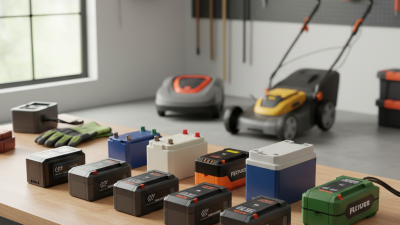
When choosing a battery for lawn mowers, lithium-ion and lead-acid options dominate the market.
Lithium-ion batteries are lightweight and have a longer lifespan. They can deliver consistent power throughout their discharge cycle. This feature is particularly important for gardeners who seek efficiency.
On the other hand, lead-acid batteries are more cost-effective up-front. However, they tend to be heavier and can lose power as they discharge. This may lead to frustration during long mowing tasks. Additionally, lead-acid options usually require more maintenance, which can be cumbersome. Many users may overlook this aspect, focusing solely on the lower initial cost.
In contrast, lithium-ion batteries need less upkeep and are often quicker to recharge. While their price is higher, the long-term benefits can outweigh initial expenses. However, some users may feel wary of investing more money upfront. The evolving technology in battery options reflects a commitment to environmental sustainability. Exploring these choices is crucial for informed decisions in lawn care.
Battery Capacity and Runtime: What to Expect from Top Lawn Mower Batteries
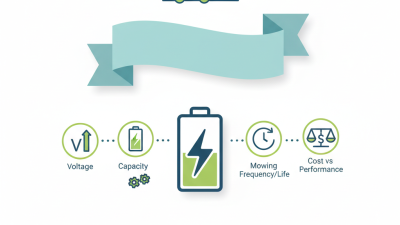
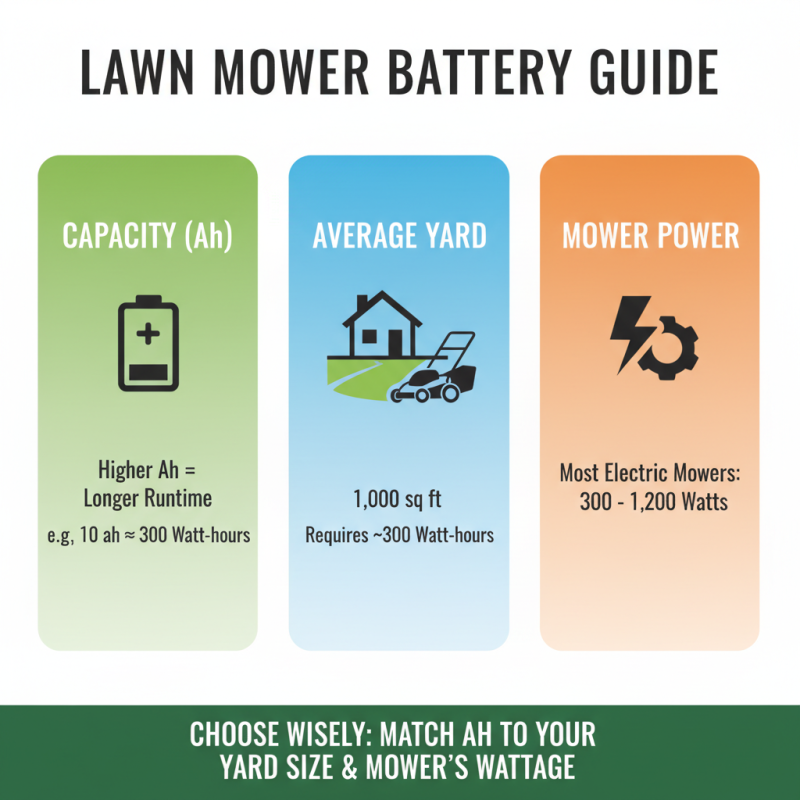
When choosing a battery for lawn mowers, capacity and runtime are critical factors. Battery capacity is measured in amp-hours (Ah). A higher Ah usually indicates longer operating times. For example, a 10 Ah battery can provide about 300 watt-hours of energy. This should be sufficient for an average-sized yard of 1,000 square feet. Most modern electric mowers require between 300 to 1,200 watts. Thus, understanding your mower’s power needs is essential.
Runtime can vary significantly among different batteries. Some lithium-ion batteries offer up to 60 minutes of continuous mowing. Others may last only 30 minutes, creating issues for larger properties. According to industry reports, approximately 35% of users find their mower's battery life inadequate for their lawn size. This reflects the importance of assessing your lawn area and the mower’s energy consumption rate. Always check user reviews and technical specifications when selecting a battery, as real-world performance might differ from advertised claims.
Lastly, consider peak power output in addition to capacity. Some batteries can deliver short bursts of high power for tougher mowing tasks. However, the longevity of this power can be questionable. Users should be wary of batteries that promise prolonged runtime but lack consistent performance. Balancing capacity and runtime is crucial for effective lawn maintenance.
The Importance of Charging Times and Lifespan in Lawn Mower Batteries
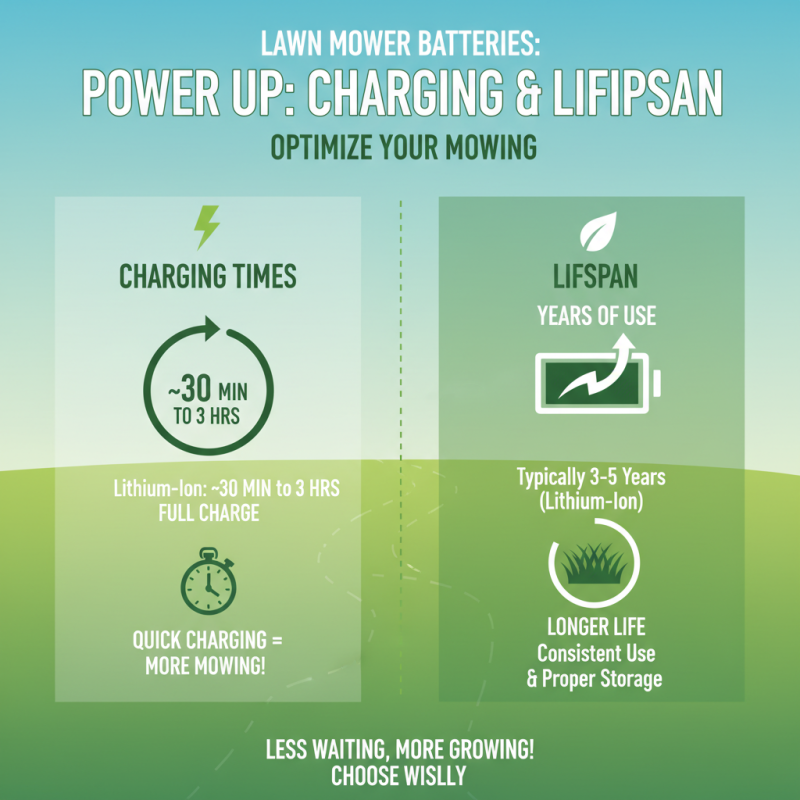
When selecting a lawn mower battery, charging times and lifespan are crucial. Research shows that most lithium-ion batteries for lawn mowers take around 30 minutes to three hours to fully charge. Quick charging can be a game-changer. Gardeners often need to attend to their lawns promptly. A fast charging time means less waiting and more mowing.
Lifespan is another pivotal factor. Many batteries offer 400 to 1,000 charge cycles. This translates to two to five years of life under regular use. However, real-world conditions can affect longevity. Factors like temperature fluctuations and simple wear can shorten battery life. It’s essential to store batteries properly to ensure maximum lifespan, yet many users overlook this detail.
Understanding these elements can lead to better purchasing decisions. Reports from the International Energy Agency indicate a significant shift towards electric lawn care solutions. Many consumers are now prioritizing sustainable options. This transition reflects growing awareness of environmental impact. However, navigating the options remains complex. Users might have to balance speed with durability and sustainability.
Cost Analysis: Budgeting for High-Quality Lawn Mower Batteries
When considering lawn mower battery options, cost is a significant factor. An industry report from IBISWorld noted that in 2023, the average price of a lawn mower battery ranged from $150 to $300. Budgeting effectively can help you select a battery that balances performance and longevity. While it’s tempting to opt for cheaper options, investing in a high-quality battery often leads to savings in the long run.
Quality batteries typically offer better cycle life and efficiency. According to a report by Research and Markets, premium batteries demonstrate a lifespan that can exceed 2000 cycles. This can be a game changer for avid gardeners, as fewer replacements save both time and money. However, not all buyers consider these metrics. Many choose based solely on initial costs, which might lead to frequent replacements.
Cost analysis should also factor in maintenance and warranty services. Some batteries come with extended warranties, providing peace of mind and reliability. Still, a battery with a low upfront cost may not include these benefits. This can ultimately lead to higher overall expenses. Understanding these details will guide buyers to make informed decisions and maximize their investments in lawn maintenance.
Top 10 Lawn Mower Battery Options for Global Buyers - Cost Analysis: Budgeting for High-Quality Lawn Mower Batteries
| Battery Type |
Voltage (V) |
Capacity (Ah) |
Average Price ($) |
Warranty (Years) |
| Lithium-Ion |
36 |
5 |
300 |
3 |
| Lead-Acid |
12 |
20 |
100 |
1 |
| Gel Battery |
12 |
18 |
120 |
2 |
| NiMH |
24 |
8 |
200 |
2 |
| Lead-Caclcium |
12 |
12 |
90 |
1.5 |
| Sealed Lead Acid |
12 |
15 |
110 |
1 |
| Smart Lithium |
36 |
6 |
350 |
5 |
| Deep Cycle Battery |
12 |
100 |
150 |
3 |
| Combo Battery |
48 |
5 |
400 |
4 |
| Ultra Battery |
60 |
6 |
450 |
5 |