留下你的信息

How to Choose the Right Reention Dorado Battery?

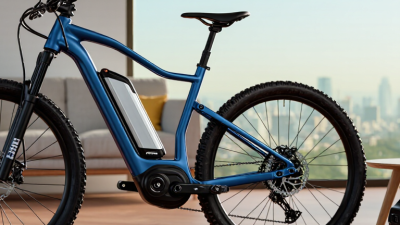
Choosing the right Reention Dorado Battery requires more than checking voltage, capacity, or price. The battery must match your riding distance, motor demand, charging habits, frame space, and local climate. A compact battery may fit neatly inside a downtube, yet provide limited range during steep climbs or cold mornings. Small details matter.

The International Energy Agency reported that global electric-car battery demand reached more than 750 GWh in 2023, increasing by about 40% from the previous year. BloombergNEF’s 2024 Battery Price Survey also placed the average lithium-ion pack price at $115 per kWh. These figures show a rapidly developing market, but they do not guarantee that every battery suits every bicycle. Specifications still require careful checking. The Reention Dorado Battery should be assessed through usable energy, cell quality, battery-management protection, connector compatibility, charging limits, and replacement support.

Battery expert Shirley Meng has described the battery as “the heart of the electric vehicle.” Her point applies to electric bicycles too. A battery affects acceleration, distance, safety, weight, and daily convenience. Do not choose by capacity alone.

That is where buyers can make mistakes.

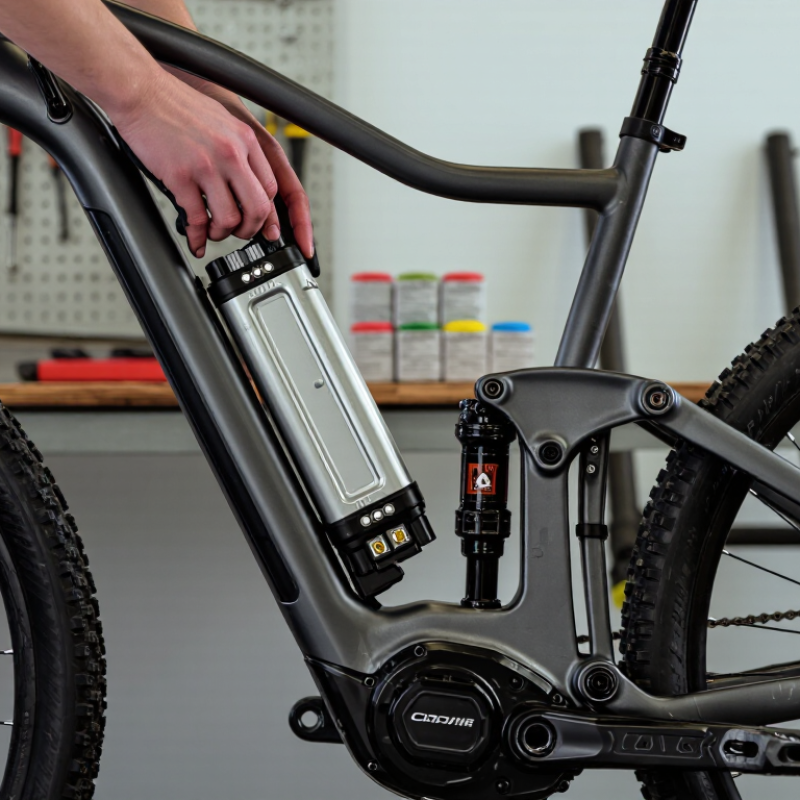
Dorado versions may differ by voltage, capacity, casing, connector, and production region. Confirm the exact model number before ordering. Ask for the datasheet, charging temperature range, cycle-life test conditions, and warranty terms. Real-world range will also vary with rider weight, tire pressure, hills, wind, and assist level. A careful choice may feel slower, but it is usually more reliable than trusting a bright label or an attractive price.
How to Choose the Right Reention Dorado Battery?

Understanding Retention Dorado Battery Types and Applications

Choosing the right retention battery starts with its chemistry and operating environment. Lithium iron phosphate offers strong thermal stability and many cycles. Nickel-based lithium cells usually provide higher energy density, but require tighter temperature control. Lead-acid batteries remain practical for short backup periods and lower budgets.

Applications matter more than specifications alone. Solar storage often needs daily cycling, while emergency backup may sit unused for weeks. Telecom cabinets need dependable discharge and simple maintenance.

750+ GWh

The 2024 International Energy Agency report recorded more than 750 GWh of electric-vehicle battery demand in 2023.

42 GW

It also reported nearly 42 GW of new battery storage capacity.

These figures show why cycle life, usable capacity, and charging speed deserve careful comparison.

Tips:

Check the load profile before selecting a battery. Measure peak power, daily energy, temperature, and available space. Keep reserve capacity for aging. A battery rated for 10 kWh may deliver less usable energy after safety limits and degradation. My first assessment would often focus too heavily on capacity. That is incomplete. Installation quality, ventilation, monitoring, and maintenance can change real performance significantly. Compare independent test data, warranty conditions, and safety certifications. A low purchase price can become expensive when replacement cycles arrive early.

Checking Voltage, Capacity, and Energy Storage Requirements

How to Choose the Right Battery

Start with voltage, not brand reputation. A battery must match the system’s nominal voltage and charging limits. For example, a 12-volt load should not receive an incompatible 24-volt battery without proper conversion equipment. Check the inverter, charger, cables, and protection system together. A mismatch can create heat, poor performance, or premature failure.

Capacity depends on actual energy use. Multiply the appliance load in watts by operating hours to estimate daily watt-hours. Then divide by system voltage to estimate amp-hours. Add a reserve for cloudy weather, temperature changes, and battery aging. A 1,000-watt load running for four hours needs about 4,000 watt-hours before efficiency losses. NREL’s Storage Futures Study commonly models lithium-ion round-trip efficiency near 85%–95%. Real installations may perform worse. That detail deserves attention.

Energy storage requirements also depend on power demand. A battery may hold enough energy but fail during a short motor surge. Check continuous power, peak power, discharge limits, and usable capacity. The International Energy Agency reported that global battery storage additions exceeded 40 GW in 2023, showing how quickly storage applications are expanding. Yet bigger is not always better. Oversizing raises cost and can leave the battery lightly cycled. Measure evening loads with a meter for several days. Estimates can be embarrassingly optimistic. Temperature, maintenance access, and future electricity needs should shape the final selection.

How to Choose the Right Battery? Checking Voltage, Capacity, and Energy Storage Requirements

Compare nominal battery configurations by voltage, capacity, and estimated usable energy. The examples use 100 Ah lithium iron phosphate battery configurations with an estimated 90% depth of discharge.

Battery energy is calculated as Voltage × Capacity. For example, a 25.6 V, 100 Ah battery provides approximately 2.56 kWh of nominal energy. Usable energy is lower because of the recommended depth of discharge, system losses, temperature, aging, and operating conditions. Select a voltage that matches the system architecture and a capacity that meets the required runtime.

Comparing Battery Chemistry, Lifespan, and Safety Features

Choosing the Right Battery: Chemistry, Lifespan, and Safety

Battery chemistry affects performance, cost, weight, and service life. Lithium iron phosphate batteries usually offer strong thermal stability and long cycle life. Nickel-based lithium batteries can provide higher energy density in smaller spaces. However, they may require stricter temperature control. Check the battery’s usable capacity, not only its advertised capacity. A battery rated for 10 kWh may deliver less after reserve limits and conversion losses. Real conditions matter.

Lifespan depends on charging habits, temperature, depth of discharge, and daily workload. Many quality lithium batteries provide several thousand cycles under controlled conditions. Heat can shorten that estimate. During a cold-weather installation, charging slowed noticeably below freezing. The system still worked, but its output was disappointing. That experience taught me to check operating limits before comparing prices. A longer warranty helps, but warranty terms deserve careful reading.

Tips: Look for a certified battery management system, cell-level monitoring, overcharge protection, and temperature sensors. Ask whether the enclosure resists dust and moisture. Confirm safe installation clearances and ventilation requirements. Do not judge safety from chemistry alone. A well-designed battery needs reliable controls, documented testing, and professional installation. Small details matter.

How to Choose the Right Reention Dorado Battery? – Comparing Battery Chemistry, Lifespan, and Safety Features

Battery Chemistry Typical Specific Energy Typical Cycle Life Energy Retention After Storage Thermal Stability Safety Requirements Main Advantages Common Limitations
Lithium Iron Phosphate (LFP) Approximately 90–160 Wh/kg About 2,000–7,000 cycles Generally low self-discharge; typically around 2–5% per month when stored correctly High; strong resistance to thermal runaway compared with many other lithium-ion chemistries Battery management system, over-current protection, temperature monitoring, and certified charger Long service life, good thermal stability, high usable depth of discharge, and consistent power delivery Heavier and less energy-dense than some nickel-based lithium-ion chemistries; charging below 0°C requires protection
Nickel Manganese Cobalt (NMC) Approximately 150–250 Wh/kg About 1,000–2,500 cycles Generally low self-discharge; typically around 2–5% per month under normal storage conditions Moderate; requires effective temperature control and protection circuitry Battery management system, cell balancing, thermal monitoring, short-circuit protection, and approved charger High energy density, lower weight, and strong power-to-size performance Shorter cycle life than LFP in many applications; more sensitive to high temperature, overcharging, and physical damage
Nickel Cobalt Aluminum (NCA) Approximately 180–260 Wh/kg About 1,000–2,000 cycles Generally low self-discharge; approximately 2–5% per month depending on temperature and state of charge Moderate to lower; careful thermal and charge management is essential Advanced battery management system, temperature sensors, current limits, cell balancing, and certified charging equipment Very high energy density and relatively low pack weight Greater sensitivity to overheating and abusive charging conditions; usually more demanding thermal design
Lithium Titanate (LTO) Approximately 50–90 Wh/kg About 10,000–20,000 cycles Very low self-discharge when stored within the recommended conditions Very high; stable anode chemistry with low risk of lithium plating during fast charging Battery management system, temperature monitoring, over-current protection, and a compatible high-current charger Extremely long cycle life, fast charging capability, and excellent low-temperature performance Low energy density, higher cost, and larger or heavier battery packs for the same energy capacity
Sealed Lead-Acid (SLA/AGM) Approximately 30–50 Wh/kg About 200–500 cycles at moderate depth of discharge Typically about 3–5% per month, with faster loss at high temperatures Moderate; sealed construction reduces leakage but does not eliminate overheating or venting risks Correct float charging, ventilation, over-charge protection, secure mounting, and avoidance of deep discharge Low upfront cost, mature technology, and simple charging requirements Heavy, lower usable capacity, shorter cycle life, slower charging, and significant capacity loss under high discharge rates
Selection guidance: Choose LFP when safety, long service life, and daily cycling are priorities. Choose NMC or NCA when low weight and maximum range are more important. Consider LTO for extremely frequent cycling or rapid charging. Sealed lead-acid may suit budget-sensitive, low-cycle applications but generally requires more weight and maintenance over its service life.
Note: The figures are representative industry ranges rather than guaranteed specifications. Actual performance depends on cell quality, pack design, depth of discharge, charging voltage, operating temperature, storage conditions, and the battery management system.

Evaluating Compatibility, Installation, and Maintenance Needs

Choosing the right battery begins with compatibility, not appearance. Check the battery voltage, capacity, terminal design, and communication requirements. A battery may fit the compartment but still fail with the charger or inverter.

Read the equipment manual carefully. Confirm charging limits, discharge settings, cable sizes, and required protection devices. In practical installations, small mismatches can cause heat, alarms, or shortened service life. Measure the mounting space before ordering, including room for ventilation and cable bends. Leave safe clearance around the enclosure. Do not force the connection.

Installation quality matters. Use correctly rated cables and secure every terminal firmly. A loose lug can become hot under heavy load. Professional testing should include voltage checks, polarity checks, and a controlled load test. Keep records of these readings. They help identify gradual performance changes later.

Maintenance is often overlooked. Inspect terminals for corrosion, swelling, dust, or unusual odors. Keep the battery dry and away from unnecessary heat. Review the monitoring data each month, especially after demanding use. Some maintenance schedules seem excessive, but skipping them can hide early faults. I have found that real conditions rarely match the installation plan perfectly. Recheck clearances after the first service visit, because cables and covers may settle. Replace damaged parts promptly, and follow the manufacturer’s technical instructions.

Balancing Purchase Cost, Warranty Coverage, and Long-Term Value

How to Choose the Right Reention Dorado Battery?

The lowest purchase price rarely tells the full story. Compare usable capacity, cycle rating, efficiency, installation costs, and expected daily use. A battery may look affordable, yet require extra hardware or professional commissioning. Check whether the quoted price includes cables, monitoring equipment, delivery, and labor. These details can change the final cost significantly.

Warranty coverage deserves careful reading. Look for coverage length, cycle limits, retained capacity, and repair responsibilities. Some warranties cover replacement parts but exclude labor or transportation. Ask how claims are handled and which operating temperatures are acceptable. A clear warranty builds confidence, but vague wording should slow your decision. I once focused too heavily on the warranty period and overlooked its capacity threshold. That was a useful mistake.

Tips: Estimate your real evening consumption before choosing capacity. Keep invoices, installation records, and performance readings. Compare cost per usable kilowatt-hour, not only the purchase price. A simple spreadsheet helps, but it cannot predict every installation problem. Also inspect the service network and response times. Long-term value depends on reliable support, stable performance, and safe installation. A slightly higher upfront cost may be sensible when it reduces replacement risks and downtime. Still, assumptions should be reviewed after several months of actual use.