2026 Best Electric Bike Lithium Ion Battery for Buyers?
Choosing the right Electric Bike Lithium Ion Battery is not just a matter of buying the largest capacity. The better choice fits your motor, frame, daily distance, and charging routine. A battery that looks impressive on a product page may feel heavy on a steep hill or inconvenient in a small apartment. Real use matters.
Bosch eBike Systems CEO Claus Fleischer is an established voice in the e-bike industry. A practical buying principle, expressed here as a paraphrase rather than a verified direct quotation, is simple: match battery capacity to the journeys you actually ride, not just the range advertised. That distinction deserves attention. A 500 Wh pack may suit regular city trips, while longer commutes, hills, cold weather, or cargo can increase energy use. Rider weight and assist level matter, too.
This guide compares the details buyers can check: watt-hours, voltage compatibility, cell quality, battery management, removable design, warranty terms, and replacement support. Look for clear specifications and a charger approved for the system. Check how the battery locks into the frame, and whether its weight is manageable when carried upstairs. No single model fits everyone. Some advertised range figures also rely on gentle conditions. That can be easy to overlook. We will examine what the numbers mean, where claims need context, and which trade-offs matter for your ride.
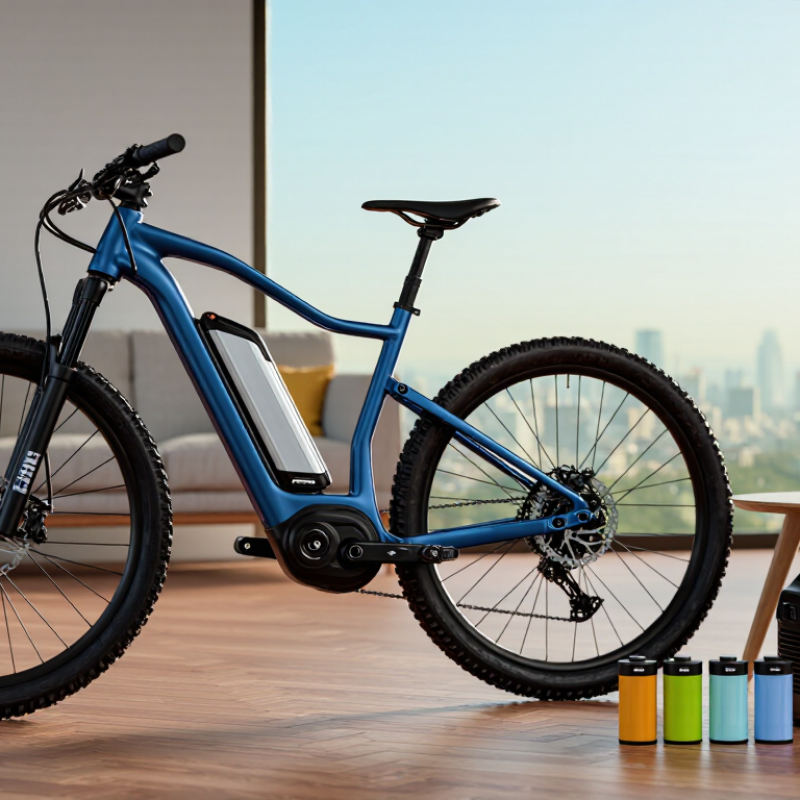
E-Bike Lithium-Ion Battery Basics
An e-bike battery’s watt-hours (Wh) estimate its stored energy. Multiply voltage by amp-hours: a 48-volt, 10-amp-hour pack holds 480 Wh. More watt-hours can support longer rides, but actual range also depends on hills, rider weight, assist level, tire pressure, and temperature. Check the pack’s voltage against the bike’s requirements; a connector that fits does not prove electrical compatibility.
Lithium-ion packs contain cells managed by a battery management system, or BMS. It monitors conditions such as cell voltage and temperature, but it cannot prevent every failure or restore capacity lost through age. Use the charger specified for the pack, and stop using a damaged or swollen battery. Store it away from heat. Small habits matter.
For market context, BloombergNEF’s 2024 Battery Price Survey reported an average lithium-ion pack price of $115 per kilowatt-hour, 20% lower than in 2023. The IEA’s Global EV Outlook 2024 also reported a 14% decline in average battery prices during 2023. These figures cover broad vehicle markets, not e-bike packs; they do not predict a particular battery’s price or quality. I’d treat them as context, not a buying shortcut. Check the maker’s stated capacity, warranty, and replacement-pack availability.
Battery Chemistry, Voltage, Capacity, and Range
Lithium-ion is not one chemistry. Nickel-rich cells usually favor compact, lighter packs; lithium iron phosphate can prioritize cycle life and thermal stability, often with added weight. The IEA’s Global EV Outlook 2024 reported that LFP reached about 40% of global electric-car battery sales in 2023. That is useful context, not an e-bike chemistry ranking. Pack design and cell quality still matter.
Voltage and capacity tell different parts of the story. Multiply volts by amp-hours to estimate watt-hours: a 48 V, 15 Ah pack stores 720 Wh. The U.S. Department of Energy’s vehicle-battery guidance also uses energy capacity to compare batteries. For a rough planning example, using 12–20 Wh per mile gives about 36–60 miles from 720 Wh. Hills, cold weather, tire pressure, rider weight, and assist level can shrink that range. A neat calculation is not a promise.
Tips: Compare watt-hours, not amp-hours alone; check the charger’s voltage matches the pack. Leave a range buffer for steep climbs and stop-start riding. Real use is messier than the label.
Compatibility with E-Bike Motors and Frames
A replacement lithium-ion battery must match the motor system, not just slide onto the frame. Check nominal voltage, controller limits, connector type, and the battery’s continuous discharge rating. A 48-volt label alone proves little. The controller’s maximum current matters too.
Fit is physical and electrical. Measure the mounting rail, locking points, and space around the pack; a few millimeters can prevent secure latching. Check that the frame can support the battery’s weight and that cables reach without tension. PeopleForBikes and Circana reported U.S. e-bike unit sales rose about 269% from 2019 to 2022, reflecting a market with many system designs. More choices can mean more compatibility traps. I still find connector shape easy to over-trust.
Ask for the battery’s technical sheet and confirm compatibility with the motor and controller documentation before purchase. Look for independent safety evaluation: UL 2849 covers e-bike electrical systems, while UL 2271 addresses batteries for light electric vehicles. Neither label alone confirms a fit with your particular bike. If specifications are missing, pause. A snug-looking pack may still have the wrong voltage, discharge rating, or communication protocol.
2026 Best Electric Bike Lithium-Ion Battery for Buyers?
Compatibility with E-Bike Motors and Frames
Match the battery’s nominal voltage to the motor and controller specifications. Maximum charging voltage is higher than nominal voltage; confirm that both the controller and charger support it. Frame fit also depends on battery dimensions, mounting points, and connector type.
Safety, Charging, Lifespan, and Warranty Considerations
A lithium-ion battery should have clear safety documentation and a charger designed for its exact voltage. Ask for the battery’s rated capacity, test records, and written warranty terms. Check that the case has no cracks, swelling, loose seams, or signs of water entry. Small details matter.
Charge on a dry, stable surface, away from exits and flammable clutter. Follow the supplied manual’s temperature limits, and unplug the pack when charging is complete. Never use a damaged battery or charger. Heat can shorten battery life, but careful charging cannot prevent all wear. Capacity gradually declines with use and age. A warranty should state its length, covered defects, exclusions, and claim process. Read the fine print; “limited” can mean less than buyers expect.
Tips: Store the battery partly charged if the manual recommends it, and check it periodically during long storage. Keep receipts and photograph the battery label. Those steps take minutes, though they do not guarantee a warranty claim will be accepted.
Comparing Battery Options for Different Buyer Needs
For short urban trips, a modest-capacity lithium-ion battery can keep an electric bike lighter and easier to carry upstairs. Check watt-hours, calculated by multiplying voltage by amp-hours, rather than comparing amp-hours alone. A removable pack is convenient for charging at a desk or in a small apartment, but its lock and connector should feel secure. Small details matter.
Commuters with longer routes may prefer more watt-hours, especially when hills or frequent stops drain energy faster. Still, advertised range is only an estimate. Rider weight, assist level, tire pressure, temperature, and terrain all change the result. Cold changes the picture. If possible, compare expected range with your actual route, not a flat-road test.
For occasional rides, a smaller battery may be less costly and simpler to store. For daily use, prioritize a replacement pack that is available and compatible with the bike’s voltage, charger, and battery management system. Ask about warranty coverage and recognized electrical safety testing. I would be cautious about choosing capacity alone; a heavier pack can be awkward to remove, and a large battery is not automatically a better fit. Check the charger instructions and storage guidance, too.