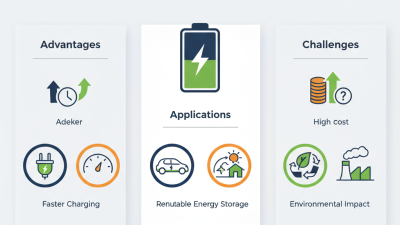
What is High And Low Temperature Lithium Batteries Benefits?
High and low temperature lithium batteries represent an essential advancement in modern energy storage technology. These batteries operate efficiently across a wide temperature range, making them suitable for various applications. Dr. Emily Chen, a leading expert in battery technology, once stated, "The ability to perform under extreme temperatures is a game-changer for industries reliant on portable power."
In cold environments, battery performance often suffers. High and low temperature lithium batteries mitigate this challenge by maintaining energy output without significant degradation. This reliable performance is crucial for sectors like electric vehicles and aerospace, where temperature extremes are commonplace. Additionally, these batteries extend battery life, which reduces waste and the frequency of replacements — a vital factor for sustainability.
However, there are still areas for improvement. While high and low temperature lithium batteries offer many benefits, their cost can be prohibitive. Ongoing research aims to develop more affordable options without compromising quality. Through constant innovation, the future of these batteries looks promising, but equal attention must be devoted to addressing their economic viability.

Benefits of High Temperature Lithium Batteries
High-temperature lithium batteries present a range of significant benefits, particularly in extreme environments. These batteries can operate efficiently at elevated temperatures, making them ideal for applications in hot climates or industrial settings. For instance, they can retain their performance in temperatures exceeding 60°C, which is beneficial for electric vehicles and aerospace applications. This durability contributes to reduced maintenance costs and longer lifespan.
The unique chemistry of high-temperature lithium batteries allows for greater energy density. This leads to increased energy storage without a substantial increase in weight. Additionally, they exhibit improved safety features compared to traditional batteries. A high-temperature operation reduces the risk of thermal runaway, a critical concern in battery technology. However, these advantages come with trade-offs.
One challenge is the potential for reduced efficiency at lower temperatures. Users must consider this when selecting a battery for varying conditions. Moreover, high-temperature batteries may be more expensive to produce, which can affect pricing strategies. Understanding these aspects is crucial for industries relying on consistent and reliable energy solutions.
Advantages of Low Temperature Lithium Batteries
Low temperature lithium batteries offer several notable advantages. These batteries maintain efficiency even in chilly environments. Many traditional batteries struggle in cold weather, leading to reduced performance. In contrast, low temperature lithium batteries can operate effectively, ensuring reliability. This characteristic is vital for applications in cold climates, like outdoor equipment and electric vehicles.
One significant benefit is their longer lifecycle. They endure more charge and discharge cycles than regular batteries. This longevity means fewer replacements, which can save costs over time. Moreover, low temperature lithium batteries are lighter than other options. Their lightweight nature makes them desirable for portable devices, reducing overall weight without compromising power.
Despite their benefits, some challenges remain. These batteries may require specific charging conditions. Users must pay attention to optimal temperature ranges for charging. Proper usage ensures maximum lifespan and efficiency. As technology evolves, refining battery design will likely address these concerns, enhancing performance further.
Comparison of High and Low Temperature Lithium Battery Performance
High and low temperature lithium batteries each have unique performance characteristics. High temperature batteries typically exhibit better energy density. They can operate at elevated temperatures without significant performance loss. This makes them suitable for applications in warmer climates. However, they may degrade faster if not managed properly. Their lifespan can be affected by excessive heat.
Low temperature batteries, on the other hand, excel in colder environments. They maintain a stable output even in freezing conditions. This is critical for applications in colder regions, like electric vehicles or outdoor equipment. However, energy density tends to be lower in these batteries. The charge and discharge rates can also be slower at low temperatures.
Ultimately, the choice between high and low temperature lithium batteries depends heavily on the specific application. Users must weigh the advantages and disadvantages. Understanding environmental conditions is crucial. Additionally, battery management systems are key for optimizing performance. Without careful considerations, users may face efficiency issues.
Applications for High and Low Temperature Lithium Batteries
High and low temperature lithium batteries have vast applications across various industries. They play a crucial role in sectors like aerospace, automotive, and renewable energy. For instance, in aerospace, these batteries can perform in extreme conditions, enabling long-duration flights. The resilience of these batteries ensures that critical electronic systems remain operational, even in severe temperatures.
In the automotive sector, electric vehicles benefit significantly from these specialized batteries. They enhance vehicle performance in cold climates, where standard batteries may fail. Additionally, renewable energy storage systems rely on these batteries to maintain efficiency. They ensure that energy collected from solar and wind sources is stored effectively, even in fluctuating temperatures.
However, the technology is not without limitations. In some cases, the cost of production remains high. This may hinder widespread adoption. Furthermore, understanding how temperature affects battery life is crucial. Users must manage these conditions to optimize battery performance. As we explore these applications, acknowledging the areas needing improvement is essential for future advancements.
Future Trends in Lithium Battery Technologies for Extreme Temperatures
Lithium batteries designed for extreme temperatures are becoming crucial for various applications. These batteries function well in high and low temperature environments. They provide energy solutions for electric vehicles, aerospace, and renewable energy systems. The demand for reliable performance in challenging conditions is driving innovation.
Future trends indicate a focus on materials that improve thermal stability. Researchers are exploring phase change materials and nanostructured electrodes. These innovations can help maintain battery efficiency. Enhanced thermal management systems are also under development to ensure safety and performance. Additionally, solid-state batteries are gaining attention for their potential in extreme conditions.
However, challenges remain. The effects of temperature fluctuations on battery life can be significant. Finding balance in performance, safety, and longevity is still a work in progress. Industry experts must address these issues to fully realize the potential of lithium batteries in harsh environments. Continued research will be essential to overcome these obstacles and optimize future battery technologies.