What Are the Benefits of Using Lithium Batteries for Your Needs?
The use of lithium batteries is rapidly transforming various industries. Their unique properties offer significant advantages over traditional batteries. According to the International Energy Agency, lithium-ion batteries are expected to dominate the energy storage market by 2030. As technology advances, the demand for lightweight and efficient energy solutions continues to grow.
Experts like Dr. Emily Cho, a leading figure in battery technology, emphasize the importance of lithium batteries. She states, "Lithium batteries are not just better; they are essential for future innovation." This sentiment reflects the industry's shift towards sustainability and efficiency. Companies are increasingly relying on lithium batteries to power everything from electric vehicles to renewable energy systems.
Yet, challenges remain. Issues with recycling and environmental impact are critical points of discussion. While lithium batteries hold great potential, addressing these concerns is necessary for broader acceptance. The benefits are clear, but so are the responsibilities that come with their use. Balancing innovation with environmental stewardship is crucial for the future of lithium battery technology.

Advantages of Lithium Batteries Over Traditional Battery Types
Lithium batteries are gaining popularity due to their numerous advantages over traditional battery types. A key benefit is energy density. Lithium batteries can store more energy in a smaller space. According to a study by the U.S. Department of Energy, lithium-ion batteries can achieve energy densities of 150-200 Wh/kg, compared to just 75-100 Wh/kg for lead-acid batteries. This means lighter and more compact devices.
Another advantage is longevity. Lithium batteries generally have a longer lifespan. They can last 2-3 times longer than lead-acid batteries. Reports indicate that lithium-ion batteries maintain 80% of their capacity after 500 to 1,500 charge cycles. In contrast, lead-acid batteries typically degrade faster. This longevity translates to reduced costs for replacements and waste.
Tip: When choosing a battery, consider your device's energy needs. Ensure the battery type aligns with your usage patterns. Additionally, think about storage. Lithium batteries may require special care under extreme temperatures.
Moreover, lithium batteries are more environmentally friendly than traditional options. They contain fewer toxic materials and are often recyclable. However, it’s essential to reflect on the mining process for lithium, which can have ecological impacts. Striking a balance is crucial as we move towards sustainability in battery technology.
What Are the Benefits of Using Lithium Batteries for Your Needs?
| Feature |
Lithium Batteries |
Traditional Batteries |
| Energy Density |
High |
Lower |
| Weight |
Lightweight |
Heavier |
| Self-Discharge Rate |
Low |
High |
| Cycle Life |
1000+ cycles |
300-500 cycles |
| Charge Time |
Fast |
Slow |
| Environmental Impact |
Less harmful |
More harmful |
| Application |
Electronics, EVs |
Toys, flashlights |
Longer Lifespan: How Lithium Batteries Outlast Their Competitors
Lithium batteries stand out in the energy storage landscape due to their impressive longevity. Studies indicate that lithium-ion batteries can last between 2,000 to 3,000 charge cycles, significantly outpacing traditional lead-acid batteries, which typically endure only 500 to 1,000 cycles. This vast difference translates to a lifespan of 10 to 15 years for lithium technology, making it an ideal choice for various applications.
The efficiency of lithium batteries in energy retention also plays a critical role. Reports suggest that they hold about 80% of their capacity after 2,500 cycles, compared to lead-acid batteries, which may drop to around 50%. This durability ensures that users do not frequently face replacements. However, lithium batteries do involve a higher initial investment, which can deter some buyers.
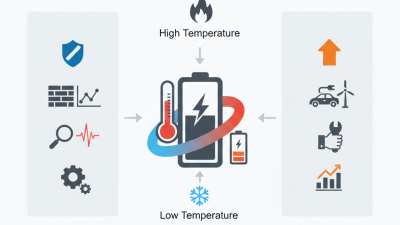
Furthermore, while lithium batteries can withstand extreme conditions, nuances exist. Temperature fluctuations may impact performance, necessitating careful management. Users must consider specific needs, as not all lithium batteries perform equally. This variability can prompt further examinations into the right battery choice for diverse situations.
Higher Energy Density: Maximizing Power in a Compact Form
Lithium batteries are renowned for their higher energy density. This feature enables them to store more energy in a smaller space. For consumers, this means lighter devices and longer usage times. A laptop with a lithium battery can run for hours without needing a recharge. Similarly, electric vehicles benefit from extended ranges, allowing for longer drives between charges.
However, the compact nature of lithium batteries comes with considerations. They can generate heat during heavy use. Users must ensure proper ventilation, especially in gadgets like drones or power tools. Ignoring this may lead to shortened battery life or performance issues.
**Tips:** Always monitor battery health. Regularly check for swelling or signs of damage. Store batteries in a cool, dry place to maintain performance. Quality control may vary, so research battery manufacturers for reliability.
The efficiency of lithium batteries is striking. But as technology evolves, understanding your specific needs is essential. Reflect on how often you use devices and the energy requirements involved. Such insight ensures you maximize the benefits of lithium batteries tailored to your lifestyle.
Environmental Impact: The Sustainability of Lithium Battery Use
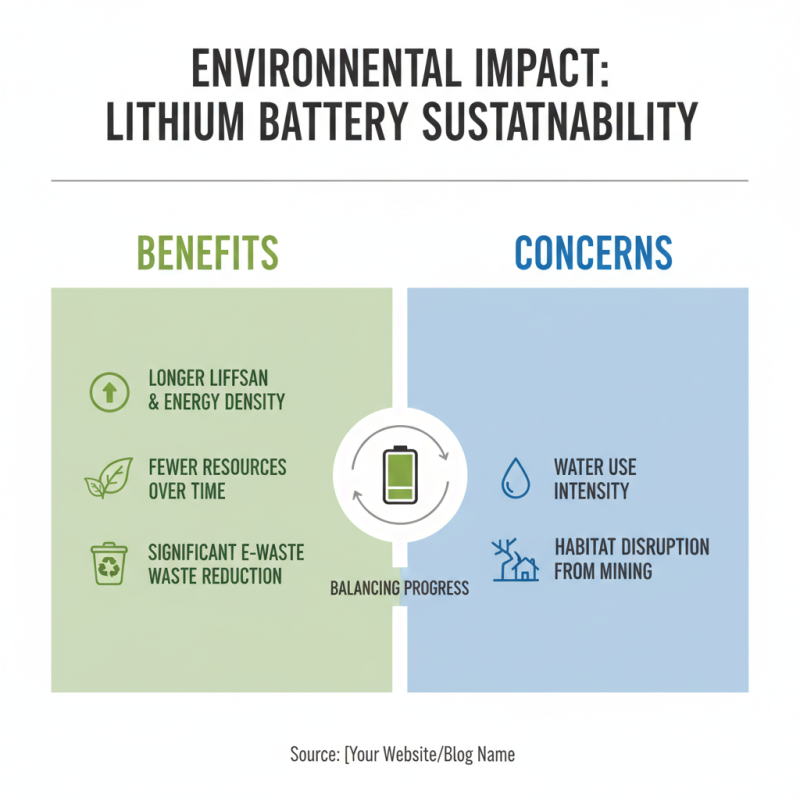
Lithium batteries have gained popularity due to their sustainability. Unlike traditional batteries, they offer a longer lifespan and greater energy density. This means they require fewer resources over time. A significant reduction in e-waste is a crucial benefit. However, lithium mining does have environmental consequences. Water use and habitat disruption are real concerns.
The recycling of lithium batteries is essential. It prevents harmful materials from entering landfills. Currently, only a small percentage of lithium batteries are recycled efficiently. Improving this process could enhance sustainability significantly. Efforts are underway to develop better recycling methods. Yet, public awareness remains low. Education about the importance of recycling can drive change.
Sourcing lithium responsibly is also vital. Ethical mining practices should be a priority. Collaboration among companies, regulators, and communities can lead to better standards. Moreover, developing alternatives to lithium batteries is necessary. Exploring new technologies may reduce dependence on lithium. This approach could help mitigate some environmental impacts. Overall, lithium batteries present a complex picture of sustainability.
Cost-Effectiveness: Financial Benefits of Choosing Lithium Batteries
When considering cost-effectiveness,
lithium batteries stand out as a smart investment. They offer longer lifespan compared to traditional batteries.
This translates to fewer replacements and lower long-term costs. For households, using
lithium batteries can significantly reduce energy bills.
They efficiently store and release energy, ensuring you use less power.
Their lightweight design enhances portability. You can easily transport them for various devices.
This feature is not only practical but also helps save on shipping costs. Users often overlook the value of
efficiency. With better charge retention, these batteries provide reliable performance, minimizing disruptions.
While lithium batteries come with a higher upfront cost, the return on investment can be substantial.
They pay off over time through savings. Even so, potential users should evaluate their specific needs.
Consider if the energy demands align with the benefits. Not every setup may require advanced technology, indicating a need for thoughtful decision-making.