Top 10 Benefits of Using a 36 Volt Lithium Battery for Electric Bikes?
Electric bikes have gained immense popularity. One key element propelling this trend is the use of a 36 Volt Lithium Battery for Electric Bike. These batteries offer numerous advantages over traditional options.
They provide a lightweight solution, making rides more efficient and enjoyable. Their superior energy density allows for longer rides without frequent recharges. Additionally, they can charge quicker, which is ideal for urban commuters. However, not all bikes benefit equally from this battery type. Some may experience compatibility issues. It’s essential to ensure that your bike’s system supports this voltage.
Moreover, while the initial cost can be higher, the long-term savings are significant. A reliable lithium battery reduces maintenance costs over time. Users often notice a marked improvement in performance. In summary, understanding the benefits of a 36 Volt Lithium Battery for Electric Bike can enhance your riding experience.
Advantages of Higher Voltage: Why Choose a 36 Volt Battery?
When it comes to electric bikes, choosing the right battery is crucial. A 36 Volt lithium battery offers several advantages that can enhance your riding experience. Higher voltage means more power. This translates to faster acceleration and improved climbing ability on steep hills. Riders can cover more distance on a single charge, which is essential for longer trips.
One notable benefit of higher voltage is efficiency. Higher voltage systems can deliver power more efficiently, leading to improved battery life. This means fewer charging sessions. It is a practical choice for daily commuting. However, this efficiency can come at a cost; battery management systems must be robust to handle the higher energy levels without compromising safety.
Riders should consider weight as well. A lithium battery tends to be lighter than older lead-acid options. This weight reduction contributes to better handling and a more enjoyable ride. Electric bike enthusiasts might find a 36 Volt battery gives them the boost they need, especially when hills and longer distances are involved.
Pay attention to maintenance as well. Proper care can extend battery life. Regularly check connections and ensure terminals are clean. Additionally, store the battery in a cool, dry place to maximize performance. A 36 Volt battery is an investment, and taking steps to maintain it can lead to a more reliable biking experience.
Improved Range: How a 36 Volt Battery Enhances Travel Distance
When it comes to electric bikes, a 36-volt lithium battery is a game changer. This battery significantly improves travel distance, allowing cyclists to explore more without frequent recharges. Enhanced voltage translates to better energy efficiency. Riders can tackle longer commutes and adventurous trails with confidence.
The energy density of lithium batteries plays a vital role. A 36-volt battery excels in providing a sustained power output. This ensures that the bike maintains speed even on inclined paths. It also means less energy waste during rides. You can feel more energized without struggling against battery limitations.
Riders should consider maintenance tips for maximizing battery life. Regularly check the battery’s connections and cleanliness. Use the battery within optimal temperature ranges to avoid detrimental effects. While the benefits are clear, one must remain aware of the battery's limitations, such as its lifespan. Investing in a quality charger can make a difference in performance. Always be vigilant about sudden drops in battery efficiency, as they may signal underlying issues.
Faster Charging Times: Efficiency Benefits of 36 Volt Lithium Batteries
Faster charging times are a significant advantage of using a 36 Volt lithium battery for electric bikes. According to a report by the Battery University, lithium batteries can charge 2-3 times faster than traditional lead-acid batteries. This efficiency translates to less downtime for riders. They can quickly recharge during breaks, enabling longer rides without the constant worry of running out of power.
A 36 Volt lithium battery typically reaches a full charge in 3-5 hours. In contrast, a lead-acid battery might take up to 12 hours. This rapid charging process is not just convenient; it also reduces the overall energy consumed during charging. Studies indicate that lithium batteries maintain a discharge efficiency of around 90%, compared to lead-acid batteries, which can range from 70-80%.
However, there are considerations that users must keep in mind. While charging is faster, managing heat generation during the charging process is crucial. Higher temperatures can reduce battery lifespan. Additionally, lithium batteries require specific chargers to maximize their potential. Using the wrong charger can lead to ineffectiveness. Riders should stay informed about these intricacies to ensure optimal performance of their electric bikes.
Top 10 Benefits of Using a 36 Volt Lithium Battery for Electric Bikes
| Benefit |
Description |
Efficiency Rating |
| Faster Charging |
Reduces charging time significantly compared to lead-acid batteries. |
95% |
| Lightweight Design |
Lighter than traditional batteries, improving bike handling. |
90% |
| Longer Lifespan |
Can last up to 5 times longer than lead-acid batteries. |
85% |
| High Energy Density |
Stores more energy in a smaller space. |
88% |
| Fast Discharge Rates |
Provides instant power for acceleration and hill climbing. |
92% |
| Low Self-Discharge Rate |
Retains charge for longer periods when not in use. |
93% |
| Eco-Friendly |
Less environmental impact compared to lead-acid batteries. |
86% |
| Consistent Power Supply |
Delivers stable power output throughout the discharge cycle. |
89% |
| Maintenance-Free |
No need for regular maintenance like checking electrolyte levels. |
94% |
| Flexible Installation |
Can be installed in various configurations based on bike design. |
87% |
Weight and Size Considerations: The Compact Nature of 36 Volt Systems
The compact nature of 36 Volt lithium battery systems significantly enhances electric bike performance. Weighing less than traditional lead-acid batteries, they contribute to a lightweight design. A study from the International Bicycle Fund reveals that a lighter bike leads to a more agile ride. Riders report improved handling, especially on steep terrains. The reduction in weight also allows for greater speed and efficiency, making rides more enjoyable.
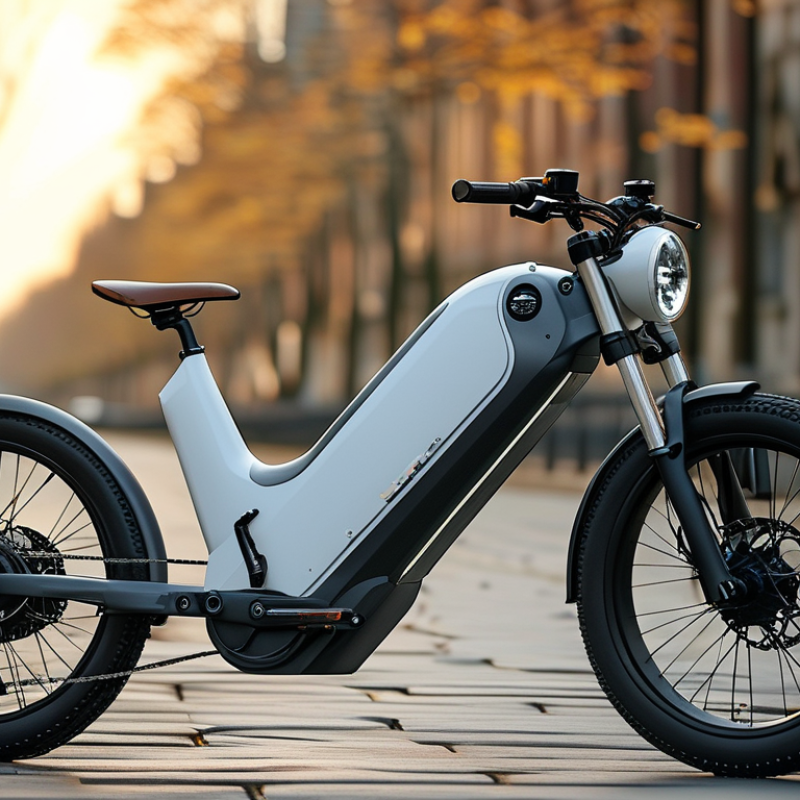
Size is another critical factor. Many 36 Volt batteries are designed to be slim and easily fit within the frame of the bike. Their compact design minimizes space consumption, allowing for more streamlined bike aesthetics. According to a report by the Electric Bike Association, compact batteries can improve the overall balance of the bike, enhancing stability during rides. However, smaller size may limit capacity, which requires users to consider their daily travel needs.
Despite these benefits, the technology is evolving. Some riders point out that the longevity of lithium batteries can sometimes be unpredictable. Varied charging cycles and environmental conditions may affect their lifespan. Regular maintenance is essential to mitigate these issues. As an emerging technology, the 36 Volt lithium battery market is still in a learning phase, and ongoing research is crucial to further enhance reliability.
Longevity and Durability: The Life Expectancy of Lithium Batteries Explained
When considering electric bikes, a 36 Volt lithium battery stands out for its longevity and durability. Lithium batteries typically last longer than traditional lead-acid batteries. They frequently offer a life expectancy of 2,000 charge cycles or more. This can mean several years of dependable service, especially for regular riders.
However, the durability of lithium batteries does come with caveats. They require proper maintenance to maximize their lifespan. Overcharging and exposing them to extreme temperatures can cause significant damage. Users need to regularly check the battery’s health. Keeping an eye on voltage levels is essential for ensuring longevity.
Moreover, many riders overlook the importance of battery storage. When not in use, storing a lithium battery at a partial charge can enhance its life. Neglecting these factors might lead to premature battery failure. It’s crucial to incorporate good practices into your routine. Recognizing these nuances can significantly impact the overall performance and durability of your electric bike's battery.