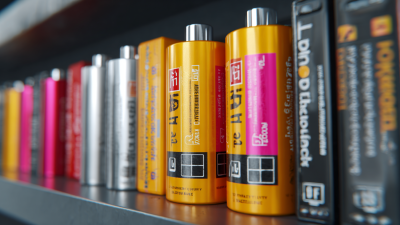
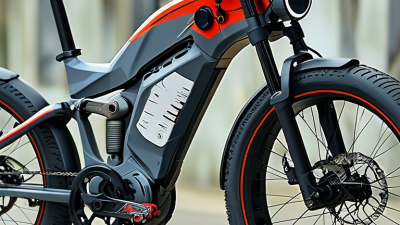
Choosing a Reention Battery is not simply a matter of comparing voltage and price. The right decision begins with the application. A compact battery for a medical device faces different demands than one used in an electric bicycle, backup system, or industrial sensor. Runtime, discharge current, operating temperature, charging speed, cycle life, and physical dimensions must all match the equipment.
Dr. Shirley Meng, a respected battery materials scientist, has emphasized, “Safety, cost, and sustainability must move together.” That principle is practical. A battery may look excellent on a specification sheet, yet perform poorly in a cold warehouse. Another may offer high capacity but lose energy quickly after repeated charging. Check the datasheet carefully. Confirm the nominal voltage, usable capacity, protection circuitry, connector design, and recommended charging method. A warm casing, swelling, unusual odor, or unstable voltage should never be ignored.
Experience also shows that the cheapest Reention Battery is not always the most economical choice. A battery lasting two years may cost less initially, but replacement labor can outweigh the savings. Ask the supplier about test methods, warranty coverage, production consistency, and traceable quality records. Independent verification is valuable, especially when performance claims seem unusually optimistic. I would also leave a margin for real-world losses; advertised capacity is rarely the exact capacity available during daily use. That detail is easy to overlook. Careful selection protects equipment, budgets, and users.

A retention battery stores electrical energy for standby use and releases it during an interruption. It is common in alarms, control panels, emergency lighting, and backup systems. Its job is not simply to hold charge. It must deliver stable voltage after sitting for months.
The International Energy Agency reported in Batteries and Secure Energy Transitions 2024 that global energy storage capacity must increase sixfold by 2030. This growth raises the need for dependable battery selection and maintenance.
Check the required load, backup time, charging voltage, and operating temperature. A battery rated at 100 Ah may not provide 100 Ah under every condition. Cold rooms reduce available capacity. High heat accelerates aging.
The details matter. I once saw a system fail because the installer checked capacity but ignored float voltage.
Tips: Record the real load, not the label estimate. Add a safety margin of 20% to 30%. Review battery age, terminal condition, and charging records every inspection. The IEA also notes that battery performance depends on materials, temperature, and operating conditions. No battery is perfect. A cheaper choice may cost more after repeated replacement.
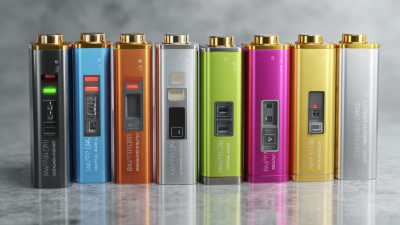
Choosing a retention battery starts with your equipment’s voltage requirement. Check the original battery label and the device manual. A mismatch can damage electrical components or create unstable performance. Common systems use 12, 24, 36, or 48 volts, but never guess. Voltage must match.
Capacity determines how long the battery can operate. It is measured in amp-hours, or Ah. Estimate usage by multiplying the device’s average current by its expected running hours. For example, a 10-amp device running for three hours needs about 30Ah. Add a practical reserve, often 20 to 30 percent. Real conditions reduce capacity. Cold weather, age, and heavy loads matter. I once underestimated startup demand, and the battery drained much sooner than expected.
Tips: Check continuous and peak power output separately. A motor may need a brief surge during acceleration. Select a battery that safely supports both ratings. Confirm connector type, physical dimensions, charging requirements, and protection features. Keep the battery away from heat and moisture. Record actual runtime during the first week. That evidence is more useful than a perfect estimate. When specifications conflict, consult a qualified technician or the equipment manufacturer before purchasing.
Comparing Battery Chemistry, Lifespan, and Operating Conditions
Choosing a retention battery starts with its chemistry, not its advertised capacity. Lithium iron phosphate cells usually offer strong cycle life and stable thermal behavior. Nickel-based lithium cells can provide higher energy density in limited spaces. Lead-acid batteries cost less initially, but they often tolerate fewer deep cycles. Chemistry changes the real cost of stored energy.
Lifespan depends on more than a cycle number. Depth of discharge, charging speed, and daily temperature can shorten service life. A battery used between 20% and 80% charge may last longer than one regularly emptied completely. Check tested cycle conditions carefully. Some figures assume mild temperatures and controlled charging. Real installations are messier.
Operating conditions deserve an honest site assessment. Measure winter lows, summer heat, ventilation, humidity, and available floor space. A battery management system should monitor cell voltage and temperature continuously. I would also compare usable capacity, not only nominal capacity. Warranty terms matter, but they cannot replace independent test data. A lower purchase price may look attractive, yet that judgment is incomplete. In practice, maintenance access and replacement difficulty can influence the decision as much as chemistry. Personally, I would leave some capacity margin rather than run the battery at its limit every day. That costs more upfront. It may reduce later stress.
A reliable Reention battery should match your equipment, operating conditions, and charging system. Check its voltage, capacity, dimensions, connector type, and discharge rating. A battery can look suitable but still fail under heavy loads. Confirm compatibility through the technical datasheet, not appearance alone. Charging profiles must also match the battery chemistry. Incorrect charging can create heat, reduce capacity, or damage internal cells.
Safety features deserve close attention. Look for battery management systems, overcharge protection, over-discharge protection, temperature monitoring, and short-circuit control. A strong enclosure should protect cells from moisture, vibration, and accidental impact.
Maintenance needs should remain practical. Inspect terminals for corrosion, keep ventilation clear, and record unusual swelling, heat, smell, or performance loss. Stop using damaged equipment and request assessment from a qualified technician. No checklist is perfect; real operating conditions may reveal weaknesses that specifications overlook.
Tips: Compare the battery’s continuous output with your equipment’s actual demand. Leave sensible space for installation and airflow. Store the battery in a cool, dry location when unused. Recheck compatibility after replacing chargers, cables, or control systems. A simple inspection log can expose gradual problems before they become expensive.
How to Choose a Reention Battery?
Selecting a Reliable Supplier and Assessing the Total Cost of Ownership
Choosing a retention battery requires more than comparing capacity and purchase price. A dependable supplier should explain cycle life, operating temperature, safety controls, and expected performance. Ask for test reports, warranty terms, and maintenance requirements. Request references from installations with similar load patterns. Do not rely on polished promises.
Review the supplier’s technical support before signing an agreement. Can engineers respond during commissioning? Are replacement parts available locally? Clear documentation also matters, especially for charging limits and inspection intervals. A reliable supplier provides traceable production records and realistic performance data. Good records build confidence.
Total cost of ownership includes installation, monitoring, energy losses, maintenance, downtime, transport, and end-of-life handling. A low purchase price may hide frequent service visits or early capacity loss. For example, a battery needing monthly inspections can cost more than one with stronger monitoring tools. Calculate costs across the intended service period, not only the first year. Include training and emergency support.
A spreadsheet helps, but assumptions need testing. I would challenge optimistic cycle counts and request results from varied temperatures. The cheapest option may win the quote. It may not win the project.
| Evaluation Dimension | Supplier Profile A | Supplier Profile B | Supplier Profile C | Why It Matters |
|---|---|---|---|---|
| Battery technology | Flooded lead-acid | Sealed AGM lead-acid | Lithium iron phosphate (LiFePO₄) | Technology affects charging speed, maintenance, usable capacity, safety controls, and service life. |
| Nominal system | 48 V, 620 Ah | 48 V, 620 Ah | 48 V, 500 Ah | Nominal energy is calculated as voltage × ampere-hours, but usable energy depends on the permitted depth of discharge. |
| Nominal energy | 29.76 kWh | 29.76 kWh | 24.00 kWh | A lower nominal capacity can still meet demand when the battery supports a deeper usable discharge. |
| Recommended depth of discharge | 80% | 80% | 90% | Regularly exceeding the recommended discharge level can reduce battery life and increase replacement costs. |
| Estimated usable energy per cycle | 23.81 kWh | 23.81 kWh | 21.60 kWh | Calculated as nominal energy × recommended depth of discharge × 100% assumed discharge efficiency. |
| Typical cycle life at stated discharge level | 1,200 cycles | 700 cycles | 4,000 cycles | Cycle-life figures vary by temperature, charging profile, load pattern, and the manufacturer’s end-of-life definition. |
| Expected operating period | Approximately 3.3 years | Approximately 1.9 years | Approximately 11.0 years | Based on 360 full-equivalent cycles per year and does not replace a site-specific life assessment. |
| Initial battery purchase price | US$7,200 | US$9,600 | US$18,500 | Purchase price alone can be misleading because service life, energy efficiency, and maintenance materially affect total cost. |
| Required charger and installation | US$2,000 | US$2,400 | US$4,000 | Compatibility, ventilation, electrical protection, commissioning, and battery-management equipment should be included. |
| Annual maintenance cost | US$900 | US$350 | US$150 | Flooded batteries generally require watering, cleaning, inspections, and ventilation management. |
| Estimated energy efficiency | 78% | 82% | 94% | Higher round-trip efficiency reduces electricity losses over the operating life. |
| Annual electricity cost for charging | US$2,753 | US$2,619 | US$1,671 | Assumes 360 full-equivalent cycles per year and an electricity rate of US$0.25/kWh. |
| Warranty coverage | 12 months | 24 months | 60 months or stated energy-throughput limit | Review exclusions, response times, labor coverage, capacity-retention thresholds, and warranty-transfer conditions. |
| Supplier documentation | Basic datasheet and manual | Datasheet, test report, and installation guide | Datasheet, test reports, safety files, software guide, and service plan | Clear technical documentation reduces commissioning risk and makes performance claims easier to verify. |
| Estimated replacement count over 10 years | 3 battery sets | 5 battery sets | 1 battery set | Estimated from 3,600 full-equivalent cycles over 10 years and the stated cycle-life figures. |
| 10-year battery and installation cost | US$27,600 | US$60,000 | US$22,500 | Includes the initial battery, charger/installation, and estimated replacement battery sets; excludes financing and disposal. |
| Estimated 10-year total cost of ownership | US$64,130 | US$90,590 | US$40,210 | Battery and installation cost + maintenance over 10 years + charging electricity over 10 years. |
| TCO per usable kWh delivered | US$0.75/kWh | US$1.06/kWh | US$0.47/kWh | Calculated using 3,600 annualized full-equivalent cycles over 10 years and the usable energy per cycle. |
| Overall suitability for intensive operation | Moderate | Moderate to high | High, subject to system compatibility | The best option should balance operational requirements, safety, service support, compliance, and verified lifetime cost. |