High And Low Temperature Lithium Batteries Explained For Buyers?
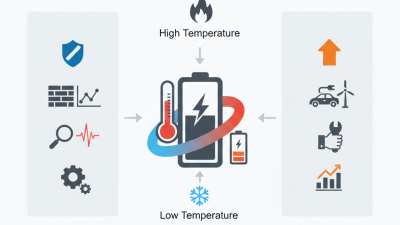
In the realm of energy storage solutions, High And Low Temperature Lithium Batteries stand out for their versatility. These batteries are designed to perform well in extreme temperatures, making them suitable for various applications. From electric vehicles to portable electronics, understanding their features is crucial for buyers.
When selecting a battery, considerations such as temperature range and performance consistency come into play. High And Low Temperature Lithium Batteries differ in chemistry and design, affecting their life span and safety. Extreme temperatures can impact battery efficiency, often leading to unforeseen issues.
Buyers must navigate these complexities. Manufacturers provide technical insights, but individual needs vary widely. Misunderstandings about operational limits can lead to suboptimal performance. Buyers are encouraged to weigh options carefully, ensuring they choose the right battery for their specific requirements.

Understanding Lithium Batteries: An Overview of Types and Technologies
Understanding lithium batteries is essential for buyers. These batteries come in various types, each suited for specific applications. Lithium-ion and lithium-polymer are the most common. Lithium-ion batteries are lighter and more energy-dense. They are often used in smartphones and laptops. In contrast, lithium-polymer batteries offer flexibility in shape and size. This makes them ideal for applications like drones and wearables.
Technology evolves rapidly in this field. Buyers need to be aware of the factor affecting battery performance. Temperature plays a vital role. High temperatures can lead to faster degradation. This may reduce the battery's lifespan and efficiency. Low temperatures can also impact performance. Batteries may experience reduced capacity in cold conditions. Understanding these factors helps buyers make informed choices.
Safety is another crucial consideration. Lithium batteries, while efficient, can pose risks. Overcharging or physical damage can lead to hazardous situations. It is important to choose batteries that come with protective features. Always ensure that the batteries are used according to manufacturer guidelines. This can prevent potential issues and enhance safety.
Defining High Temperature Lithium Batteries: Features and Applications
High temperature lithium batteries offer unique advantages, which make them suitable for various demanding applications. These batteries are designed to operate efficiently in temperatures well above the standard range, typically up to 60 degrees Celsius or even higher in specialized cases. Their construction often includes materials that enhance safety and longevity, reducing degradation in extreme heat. In industries like electric vehicles and renewable energy, this performance is critical.
Applications of high temperature lithium batteries can be found in aerospace and military sectors, where reliability is non-negotiable. Their ability to function under harsh environments ensures sustained performance. However, potential buyers should consider factors like cost and weight. High temperature variants may carry a premium price and might be heavier than standard options.
In addition, it’s essential to reflect on eco-friendly practices. Often, the manufacturing processes for these batteries may involve materials that need careful sourcing. Discussing sustainability can reveal layers of complexity in the battery production. Buyers must weigh operating efficiency against environmental impact. Selecting the right battery requires a balance of performance, cost, and responsibility.
Exploring Low Temperature Lithium Batteries: Benefits and Limitations
Exploring low temperature lithium batteries reveals various benefits and limitations relevant for buyers. These batteries are designed to operate effectively in freezing temperatures, making them suitable for uses in cold climates. Reports indicate that standard lithium-ion batteries can lose up to 20% of their capacity at -10°C. In contrast, low temperature variants maintain better performance in such conditions.
However, while they perform better in the cold, low temperature lithium batteries may experience reduced lifespan if consistently operated in extreme conditions. An understanding of the trade-offs is essential. The energy density of these batteries can also be somewhat lower, which could impact device usage time. They might also require special charging protocols, adding complexity to their use.
Look for certification and data from reputable sources when selecting these batteries. Users should consider the operating environment carefully. Regular testing and monitoring can assist in ensuring optimal performance. Consult industry reports or expert insights to make informed decisions. Research shows that while low temperature batteries excel in cold scenarios, versatility remains a critical factor for users.
High And Low Temperature Lithium Batteries Explained For Buyers
| Battery Type |
Operating Temperature Range (°C) |
Benefits |
Limitations |
Typical Applications |
| High Temperature Lithium Battery |
+10 to +60 |
Better performance in heat |
Reduced lifespan if overheated |
Electric vehicles, power tools |
| Low Temperature Lithium Battery |
-30 to +10 |
Exceptional cold weather performance |
Lower energy density |
Aerospace, winter sports equipment |
| Standard Lithium Battery |
0 to +45 |
Widely available and cost-effective |
Performance decreases in extreme temperatures |
Consumer electronics, portable devices |
Comparison of Performance: High vs. Low Temperature Lithium Batteries
When considering lithium batteries, understanding the differences between high and low temperature models is crucial. High temperature batteries often perform well in warmer climates, thriving in temperatures that can exceed 60 degrees Celsius. These batteries typically offer faster charge times and better energy output under heat. However, this advantage comes with a caveat; they may degrade quicker if consistently exposed to extreme temperatures. Users must factor in the potential longevity issues when opting for high temperature options.
In contrast, low temperature lithium batteries perform better in colder environments. They retain their efficiency even when temperatures drop significantly. These batteries are essential for applications in colder climates or for devices operating in frigid conditions. However, they can have reduced capacity in extreme cold, leading to shorter usage times. Users might find that they need careful planning to counteract potential performance dips.
Both types have specific strengths and weaknesses. Buyers should assess their unique needs and environmental conditions before making a decision. It’s essential to weigh the trade-offs, especially when considering applications that may require consistent performance across varied temperatures.
Guidelines for Buyers: Choosing the Right Lithium Battery for Your Needs
When selecting lithium batteries, consider temperature range and application. Extreme temperatures can affect performance. High-temperature batteries are designed to operate in hotter environments. Look for batteries rated for high heat tolerance. Low-temperature options suit colder climates and maintain efficiency.
Assess the capacity and lifespan of the battery as well. Higher capacity enables longer usage, especially in demanding situations. However, these batteries can be bulkier. Balance size and weight according to your needs. Reflect on where you will use these batteries most frequently. Sometimes, compact options feel more convenient, even if they have a shorter life.
Ask questions before making a choice. Understand the trade-offs between cost and performance. A cheaper battery may save money but could lead to poor reliability. Seek out expert reviews or user experiences for valuable insights. Your decision should be informed by various factors, not just one aspect.