What is E Bike Li Ion Battery and How Does It Work?
In recent years, the E Bike Li Ion Battery has become a cornerstone of modern electric bicycles. This technology powers e-bikes, offering a blend of efficiency and eco-friendliness. Understanding how this battery works can enhance your cycling experience.
The E Bike Li Ion Battery uses lithium-ion technology to store and deliver energy. Its lightweight design optimizes performance without compromising power. These batteries charge quickly and can last for several years with proper care. However, maintenance remains crucial to maximize lifespan and efficiency.
Despite its advantages, challenges exist. For instance, battery performance can decline in extreme temperatures. Additionally, proper recycling practices are essential to minimize environmental impact. Overall, gaining knowledge about the E Bike Li Ion Battery allows users to make informed decisions and enjoy sustainable transportation.
What is an E Bike Li Ion Battery?
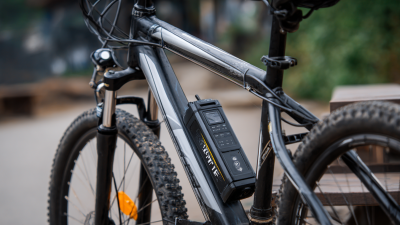
An E-Bike Li-ion battery is a powerful component used in electric bicycles. It stores energy that powers the motor, enabling a seamless riding experience. These batteries are known for their efficiency and longevity. They are lightweight, which is crucial for enhancing the bike's mobility and performance.
When you ride, the battery discharges energy to the motor. A controller manages this energy flow, ensuring optimal performance. The capacity of a Li-ion battery affects the range of the bike. Higher capacity batteries typically offer longer rides. However, they may also increase the bike's weight.
Tips: To maintain the battery's lifespan, avoid deep discharges. Regular charging can keep the battery healthy. Ensure the connections are clean to prevent performance issues. Over time, battery efficiency may decline. Monitoring usage habits can help in adjusting expectations. Always consider the battery’s health when planning longer trips.
The Components of an E Bike Li Ion Battery
E-bike lithium-ion batteries have gained popularity due to their efficiency and reliability. Understanding their components is crucial for both maintenance and optimal performance.
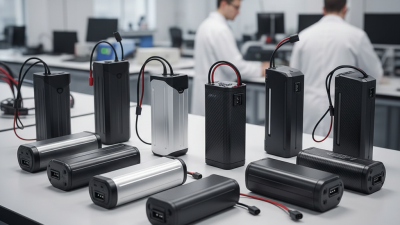
The key components of an e-bike lithium-ion battery include the battery cells, casing, battery management system (BMS), and connectors. Battery cells are the heart of the system, storing energy for your ride. They come in various configurations, each affecting the power and range of the bike. The casing protects these cells and keeps them safe from external damage. The BMS ensures safe charging and discharging, preventing overcharging or overheating. Connectors facilitate the flow of electricity between the battery and the e-bike itself.
Tips: Regularly check the connectors for wear. A loose connection can hinder performance. Ensure the battery casing is free from cracks. This helps maintain its integrity and performance. Additionally, consider the temperature where you store your e-bike. Extreme temperatures can shorten battery life.
Understanding these components empowers you to make informed decisions. Maintenance may involve replacing cells or monitoring the BMS. The learning journey can reveal gaps in knowledge. Mistakes happen in handling batteries, but these experiences enhance competence. With careful attention, you will improve both battery lifespan and riding pleasure.
How E Bike Li Ion Batteries Store Energy
E-bike lithium-ion batteries are essential for modern electric bicycles. They store energy through chemical reactions within their cells. These cells are made of lithium compounds, allowing them to hold a significant amount of energy in a compact form. When you charge the battery, lithium ions move from the cathode to the anode. This movement stores energy. When you ride the bike, the process reverses, providing power to the motor.
Tips: Always recharge your battery after a ride. This keeps the battery healthy and ready for your next adventure. Avoid extreme temperatures. Both heat and cold can reduce battery life significantly.
Lithium-ion batteries offer high energy density and long cycle life, yet there are potential weaknesses. They can degrade over time, leading to reduced performance. Regular maintenance and proper usage can help mitigate these issues. Understanding how these batteries work will enhance your riding experience and prolong battery lifespan.
What is E Bike Li Ion Battery and How Does It Work? - How E Bike Li Ion Batteries Store Energy
| Feature |
Description |
Benefits |
Typical Capacity |
| Type |
Lithium-ion |
Lightweight and efficient |
300-700 Wh |
| Energy Density |
High |
Longer range per charge |
150-250 Wh/kg |
| Charging Time |
Approximately 4-6 hours |
Quick recharge capability |
N/A |
| Lifespan |
500-1000 cycles |
Cost-effective over time |
N/A |
| Temperature Range |
-20°C to 60°C |
Flexible usage in various climates |
N/A |
The Charging Process of E Bike Li Ion Batteries
Charging an E-bike lithium-ion battery is a critical process that directly affects its lifespan and performance. These batteries typically require a specific charger that controls voltage and current. When charging, the battery undergoes a series of chemical reactions that convert electrical energy into stored chemical energy. Connect the charger to the battery and plug it in. Ideally, charging should take place in a cool, dry area to prevent overheating.
During the charging process, the battery management system monitors the voltage and temperature. This ensures safe charging and prevents overcharging. It's essential to understand that rapid charging may shorten battery life. Patience is key. Some riders charge their batteries to 100%, while others prefer charging only to 80% to extend overall lifespan.
When finished, ensure the charger is disconnected. Continued connection can lead to overheating or damage. Observing these details can enhance efficiency. Consider investing in a smart charger that provides insights into battery health. Adjusting your charging habits based on usage can lead to better performance. Charging your E-bike battery is not just a routine task; it's an important aspect of maintaining your ride’s efficiency.
Benefits and Limitations of E Bike Li Ion Batteries
E-bike lithium-ion batteries are a popular choice for modern cyclists. They offer several benefits, but also come with some limitations.
One significant advantage is their lightweight design. These batteries are much lighter than traditional lead-acid options. This makes e-bikes more maneuverable and enhances the riding experience. Additionally, lithium-ion batteries have a high energy density. They can store more energy in a smaller space. This results in longer ranges on a single charge, appealing to riders who want to explore further.
However, there are some drawbacks. The cost of lithium-ion batteries can be high. This can make e-bikes more expensive compared to others. Battery life is another concern. Over time, repeated charging can reduce their capacity. Riders often find that performance decreases after a few years. Maintenance can be tricky too. Proper care is essential to maximize lifespan, yet many users may overlook this. Lastly, environmental impact is a consideration. Disposal of these batteries can be problematic, raising concerns about sustainability.