How to Choose the Best Lithium Bike Battery for Your Needs?
Choosing the best Lithium Bike Battery is crucial for enhancing your cycling experience. With the e-bike market projected to reach $47 billion by 2026, battery performance directly impacts usability. According to a study from the National Renewable Energy Laboratory, an efficient Lithium Bike Battery can extend your cycling range significantly, making it essential to make informed choices.
Many riders overlook capacity ratings and weight factors when selecting a battery. A common mistake is prioritizing price over quality, which can lead to subpar performance. Research indicates that a high-quality Lithium Bike Battery can increase your bike's efficiency by up to 30%. Therefore, understanding specifications becomes vital for achieving optimal results.
Moreover, environmental factors and usage patterns can affect battery longevity. Many users experience rapid degradation due to improper charging practices. Investing time in evaluating battery brands and technologies is essential. Remember, the right Lithium Bike Battery not only powers your ride but enhances overall cycling enjoyment.
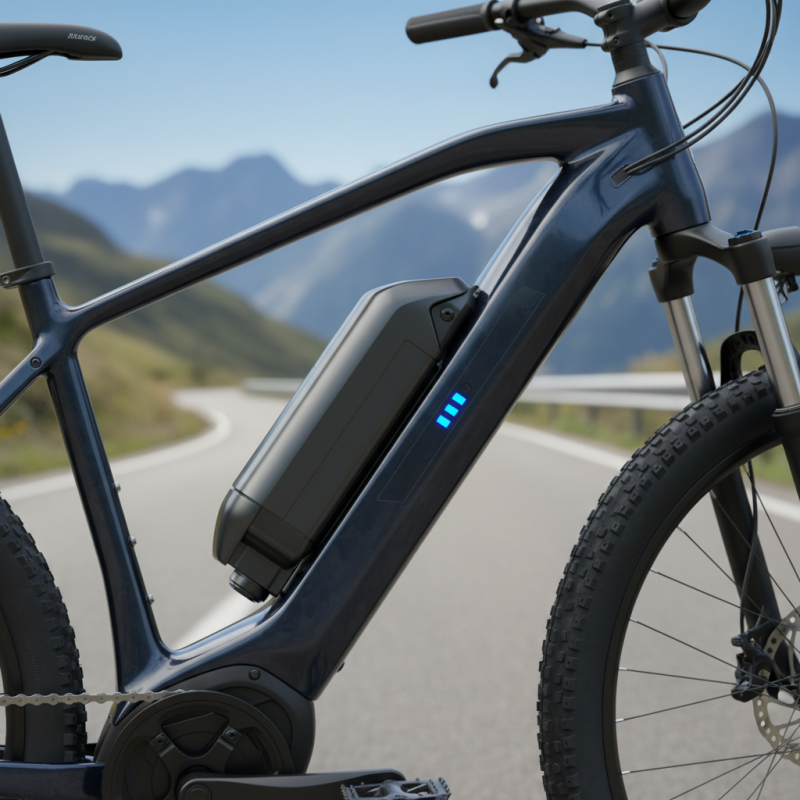
Understanding Different Types of Lithium Batteries for Biking Needs
When choosing a lithium battery for biking, it’s crucial to understand the various types available.
Lithium-ion and lithium polymer batteries are the most common.
Lithium-ion batteries tend to be more affordable and have a longer life cycle. They are widely used in electric bikes and are known for their efficiency.
On the other hand, lithium polymer batteries are lighter and can be shaped into various designs. This flexibility can benefit certain bike designs,
but they often come at a higher price.
Battery voltage and capacity are essential factors. A higher voltage typically means more power.
However, it can also lead to increased wear on components if not managed wisely. Capacity, measured in amp-hours (Ah), indicates how long your bike can run.
Yet, a larger capacity can make the battery bulkier and heavier. Users may find it challenging to balance weight, power, and ride duration effectively.
Charging time is another consideration. Some batteries charge faster than others, but rapid charging can impact lifespan.
Think about your riding habits and how much downtime you're willing to tolerate. More power often means more complexity in managing the battery's health.
Reflect on your specific biking needs to make an informed choice that suits your lifestyle.
Key Factors to Consider When Selecting Lithium Bike Batteries
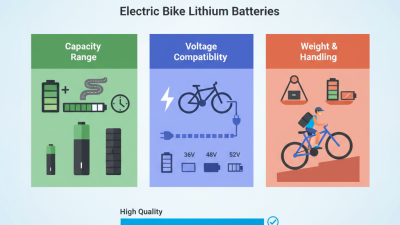
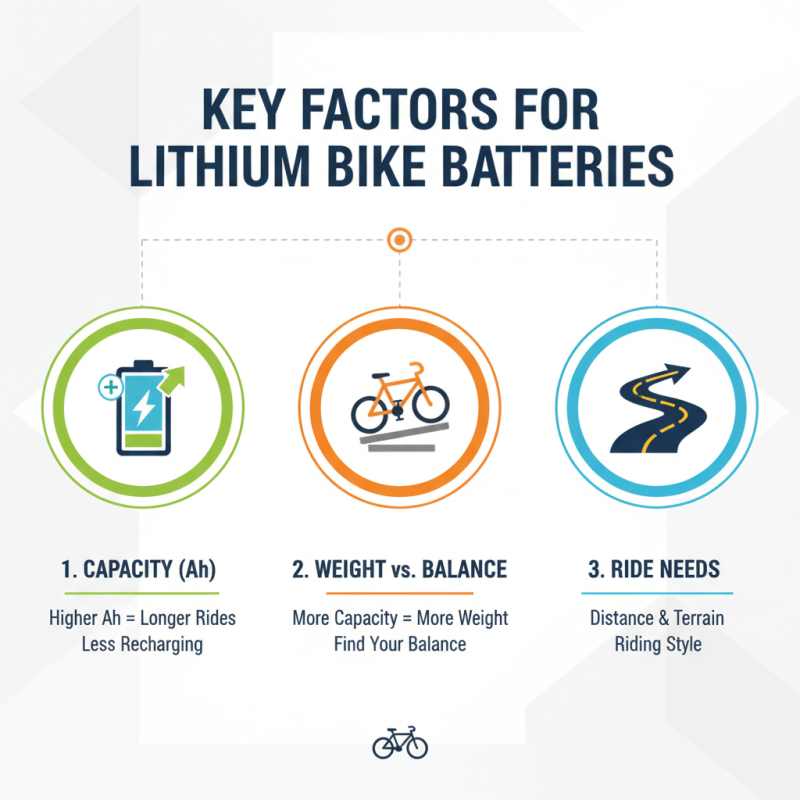
Choosing the right lithium bike battery can significantly impact your cycling experience. Start by considering the battery's capacity. A higher amp-hour (Ah) rating means more energy. This results in longer rides without the need for frequent recharging. However, larger batteries can add extra weight. Balance is essential. Evaluate your ride needs and typical distances.
Next, think about voltage. Most e-bikes operate at 36V or 48V. Higher voltage provides better performance, especially on inclines. But, not all bikes support high voltages. Check compatibility with your bike’s electrical system before making a choice.
Another crucial factor is the battery's lifespan. Lithium batteries typically last 3 to 5 years with proper care. Pay attention to charging cycles; a battery that tolerates more cycles proves reliable. Also, consider safety features such as overcharge protection. Ensuring these aspects may seem complex, but it’s essential for a dependable battery. Don't rush the decision. Reflect deeply on your specific requirements and preferences.
Evaluating Battery Capacity: Amp-Hours vs. Watt-Hours Explained
When selecting a lithium bike battery, understanding battery capacity is crucial. Two key metrics are amp-hours (Ah) and watt-hours (Wh). Amp-hours indicate the amount of current a battery can deliver over time. For example, a 10Ah battery can theoretically provide 10 amps for one hour. This measurement helps you gauge how long your bike can run on a single charge.
Watt-hours provide a broader perspective. It combines both voltage and amp-hours. For instance, if you have a 36V battery with 10Ah, the total capacity is 360Wh. This metric is helpful for understanding total energy availability. Higher watt-hour ratings generally mean longer rides. However, it's easy to overlook the balance between size, weight, and capacity. A battery with too much capacity may be cumbersome.
Selecting the right battery is often a trade-off. Some may aim for shorter, lighter rides; others may prioritize longer trips. It's essential to evaluate your riding habits. Be mindful of not just the specifications, but your personal needs. A mismatch can lead to frustration. Reflect on your choices, as the perfect battery may differ for everyone.
How to Choose the Best Lithium Bike Battery for Your Needs? - Evaluating Battery Capacity: Amp-Hours vs. Watt-Hours Explained
| Battery Type |
Voltage (V) |
Capacity (Ah) |
Energy (Wh) |
Weight (kg) |
Dimensions (mm) |
| Lithium-ion |
36 |
10 |
360 |
2.5 |
300 x 100 x 80 |
| Lithium Polymer |
48 |
12 |
576 |
3.0 |
350 x 130 x 90 |
| Lithium Iron Phosphate (LiFePO4) |
48 |
20 |
960 |
4.0 |
400 x 150 x 100 |
| Lithium Manganese Oxide |
36 |
15 |
540 |
3.5 |
350 x 120 x 80 |
Comparing Weight and Size: Impact on Bike Performance
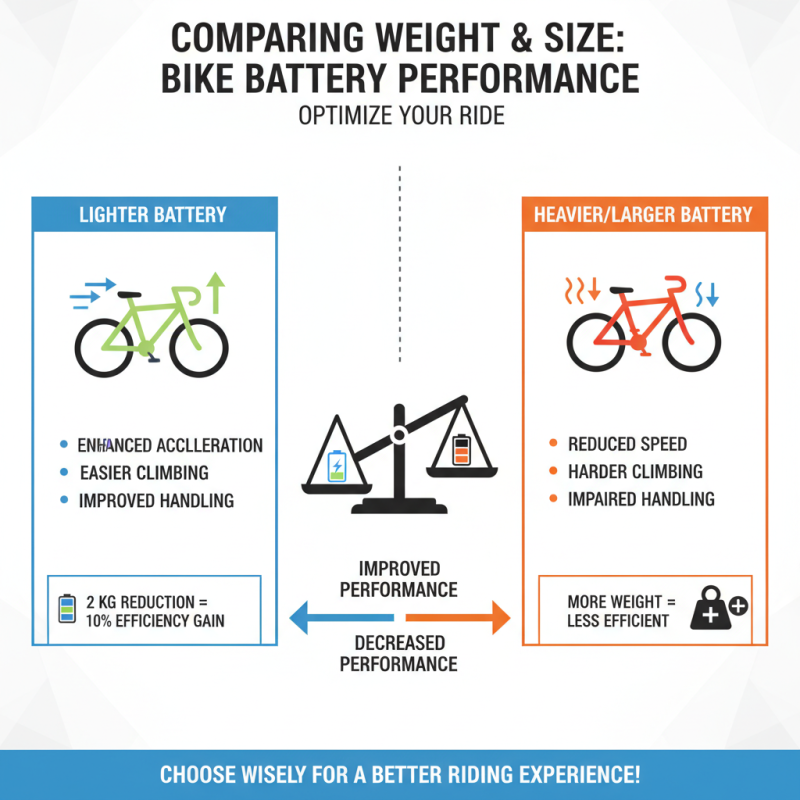
When selecting a lithium bike battery, weight and size are critical factors. These elements significantly affect bike performance, influencing speed and handling. A lighter battery can enhance acceleration and make climbing easier. According to industry reports, reducing battery weight by just 2 kilograms can improve a bike's overall efficiency by up to 10%.
Size is another aspect that cannot be overlooked. Compact batteries tend to distribute weight more evenly, leading to better stability. Data shows that bikes with smaller battery profiles experience less drag and improved aerodynamics. However, smaller batteries typically have lower capacity, which may limit range. For long-distance riders, this trade-off might not be ideal.
Interestingly, not all batteries that claim to be lightweight are created equal. Cheaper options might weigh less, but they often compromise on safety and reliability. A thorough understanding of battery specifications is vital. Riders should consider their personal riding habits and types of terrain. Balancing size and weight with performance is a nuanced decision. It requires careful consideration of individual needs and potential drawbacks.
Safety Standards and Lifespan: Choosing Reliable Lithium Batteries
When selecting a lithium bike battery, safety standards should be a top priority. Look for batteries that comply with industry safety certifications. These standards ensure that the battery's design minimizes risks, such as overheating or short-circuiting. Although all batteries carry some risk, reliable lithium batteries are engineered with features like built-in thermal management and overcharge protection.
Lifespan is another crucial aspect. Most lithium batteries have a lifespan ranging from 500 to 1,500 charge cycles. The actual lifespan can vary based on usage and maintenance. Some users may notice performance issues before reaching these limits. Pay attention to how environmental factors, like temperature, affect battery health.
Regularly inspect connections and terminals for wear or damage. This way, you can ensure optimal performance and safety throughout the battery's life. Investing time in understanding these details can lead to better choices and safer riding experiences.