China Top Lithium Iron Phosphate Battery Suppliers for Global Buyers?
The global demand for Lithium Iron Phosphate Battery (LFP) has surged in recent years. This is largely due to the growth of the electric vehicle (EV) market, where LFP batteries are increasingly favored for their safety and cost-effectiveness. According to a recent report by ResearchAndMarkets, the global LFP battery market is projected to reach $20 billion by 2027, reflecting robust growth driven by the shift towards renewable energy sources.
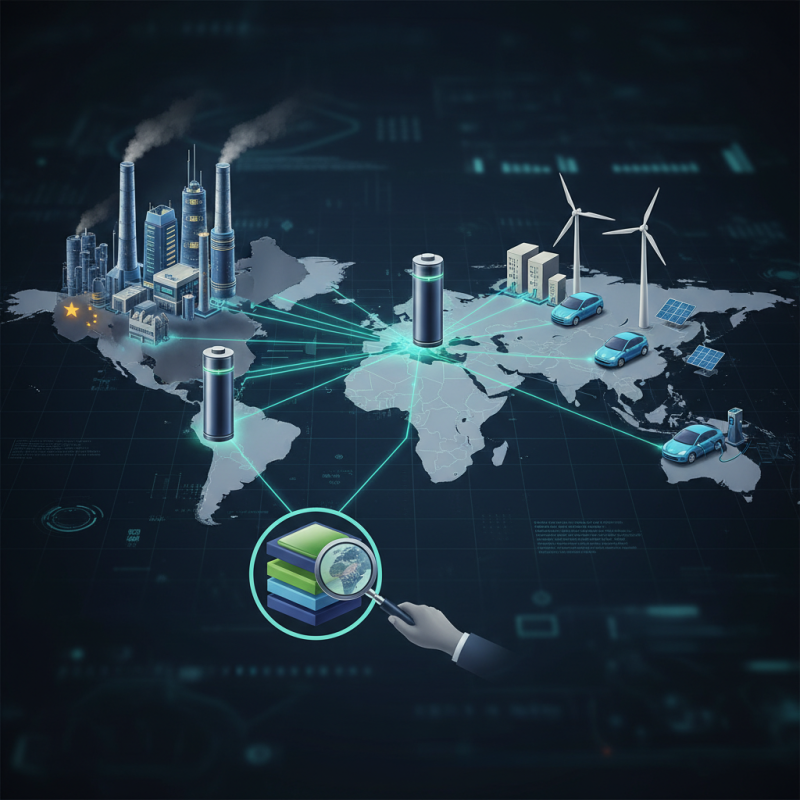
China has emerged as a leader in LFP battery production, contributing to over 60% of global supply. Key players like CATL and BYD dominate this landscape, focusing on innovation and efficiency. As the industry evolves, buyers must navigate a complex supply chain and assess manufacturers’ capabilities thoroughly. There can be challenges, such as quality discrepancies and varying technology standards among suppliers, making due diligence crucial.
Understanding the nuances of lithium iron phosphate battery technology is vital for global buyers. LFP batteries offer superior thermal stability and a longer lifecycle. However, the shifting regulatory environment and market dynamics can complicate sourcing decisions. Buyers should not only consider price and availability but also the sustainability practices of manufacturers, ensuring a reliable and ethical supply chain.
Overview of Lithium Iron Phosphate Batteries and Their Benefits
Lithium iron phosphate (LiFePO4) batteries are gaining significant attention in today's market. They offer numerous advantages over traditional battery technologies. These batteries are known for their thermal stability and long cycle life. Safety remains a major concern in battery usage, and LiFePO4 excels here. There is a lower risk of overheating or combustion, making them a preferred option in many applications.
Furthermore, LiFePO4 batteries provide consistent performance under various temperatures. This reliability can lead to improved efficiency in electric vehicles (EVs) and renewable energy systems. The ability to retain charge over extended periods adds to their appeal. However, some users report lower energy density compared to other lithium batteries. This can affect the overall range for electric vehicles and demanding applications.
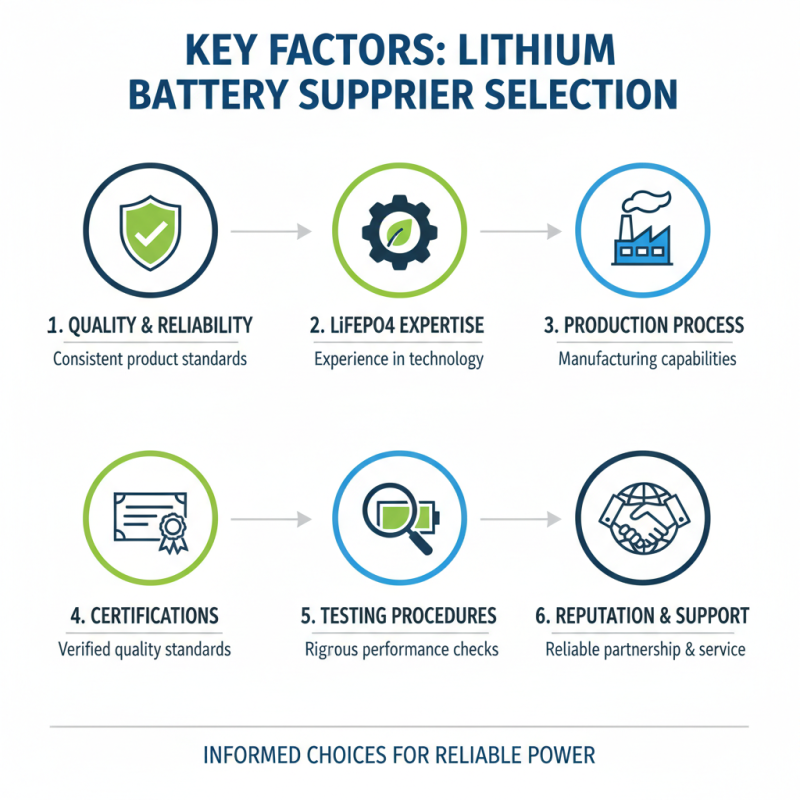
Choosing the right battery supplier is essential. Global buyers must consider reliability and service. Not all suppliers provide equal quality or customer support. It's important to evaluate suppliers based on experience and reputation in the industry. Potential buyers should also be aware of the evolving market and the need for sustainable energy solutions. Thus, conducting thorough research is crucial for making informed decisions.
China Top Lithium Iron Phosphate Battery Suppliers for Global Buyers
| Supplier Type |
Production Capacity (MWh/year) |
Export Markets |
Charging Time (hours) |
Cycle Life (cycles) |
Warranty (years) |
| Large Manufacturer |
5000 |
North America, Europe, Asia |
1-2 |
3000 |
5 |
| Medium Manufacturer |
2000 |
South America, Europe |
1-2.5 |
2500 |
4 |
| Small Manufacturer |
800 |
Asia, Africa |
2-3 |
1500 |
3 |
| Research Institute |
N/A |
N/A |
N/A |
N/A |
N/A |
Leading Lithium Iron Phosphate Battery Suppliers in China
China has become a key player in the lithium iron phosphate (LFP) battery industry. These batteries are gaining popularity due to their safety, cost-effectiveness, and long life span. Many global buyers are seeking reliable suppliers in China to meet their energy storage and electric vehicle needs.
When selecting a supplier, it’s essential to consider quality and production capabilities. Not all manufacturers uphold the same standards, so examining certifications is crucial. Look for suppliers with ISO certifications and a solid track record in the market. This helps ensure you receive batteries that meet international safety and performance standards.
Tips: Research potential suppliers thoroughly. Check customer reviews and testimonials. Engage with industry experts for insights. Attending trade fairs can also provide firsthand exposure to manufacturers.
The LFP battery landscape is evolving rapidly. It's not just about finding a supplier; it’s about building a partnership. Communication is key. Not every supplier may respond quickly, and some may lack adequate customer support. Assessing these factors in advance can save buyers significant time and resources.
Comparison of Quality and Pricing Among Top Suppliers
As the demand for electric vehicles continues to surge, lithium iron phosphate (LFP) batteries have emerged as a popular choice among manufacturers. In recent industry reports, the global LFP battery market is projected to grow at a compound annual growth rate (CAGR) of over 20% from 2023 to 2030. This growth highlights the importance of robust supply chains and reliable suppliers.
Quality and pricing remain pivotal in selecting a supplier. Recent analyses show that high-quality LFP batteries can range from $150 to $250 per kWh. However, pricing inconsistencies can arise due to variations in battery chemistry and manufacturing processes. While some suppliers may boast competitive pricing, they often compromise on lifecycle performance, which may result in higher long-term costs. Production capacity is another critical factor; as of early 2023, top suppliers can produce over 50 GWh annually, but not all are able to maintain consistent quality at scale.
Choosing the right supplier involves careful consideration. Fluctuations in raw material costs impact battery pricing significantly. Additionally, several suppliers face challenges adapting to rapid technological advancements. This suggests that global buyers must remain vigilant and thoroughly assess each supplier's offerings to avoid potential pitfalls. Regular audits and performance evaluations are essential for maintaining quality standards in this evolving market.
Future Trends in the Lithium Iron Phosphate Battery Market
The lithium iron phosphate (LiFePO4) battery market is evolving rapidly. Industry experts suggest that the global demand for these batteries will grow significantly due to their advantages in safety and lifespan. According to a recent report by Research and Markets, the global lithium iron phosphate battery market size is projected to reach approximately $15 billion by 2026, growing at a CAGR of around 12% from 2021.
With rising energy needs and a push for sustainable energy solutions, the scope of LiFePO4 batteries is expanding. Many industries are exploring their use beyond electric vehicles; applications now include renewable energy storage systems and consumer electronics. However, challenges persist. The raw material supply chain can create bottlenecks, affecting production timelines. Furthermore, while the performance of these batteries is commendable, their energy density still lags behind other lithium-ion technologies.
Trends indicate a shift toward advanced manufacturing techniques to boost efficiency. Companies are investing heavily in R&D to enhance battery chemistry and overall performance. Issues such as recycling and sustainability in production remain crucial. The industry must innovate while addressing these environmental concerns. As global players seek reliable suppliers, the landscape will likely see a shift in partnerships and regional players emerging to meet growing demands.