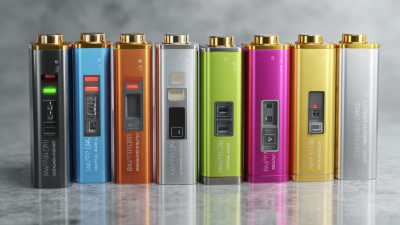
The rapid evolution of energy storage technology has underscored the importance of innovations that can drive efficiency and sustainability. Among these advancements, "Battery Polymer Lithium" has emerged as a pivotal player in enhancing rechargeable battery systems. This cutting-edge technology not only improves capacity and longevity but also addresses some of the environmental concerns associated with traditional battery materials. As the world shifts towards renewable energy sources and electric mobility, the demand for effective energy storage solutions has never been higher.
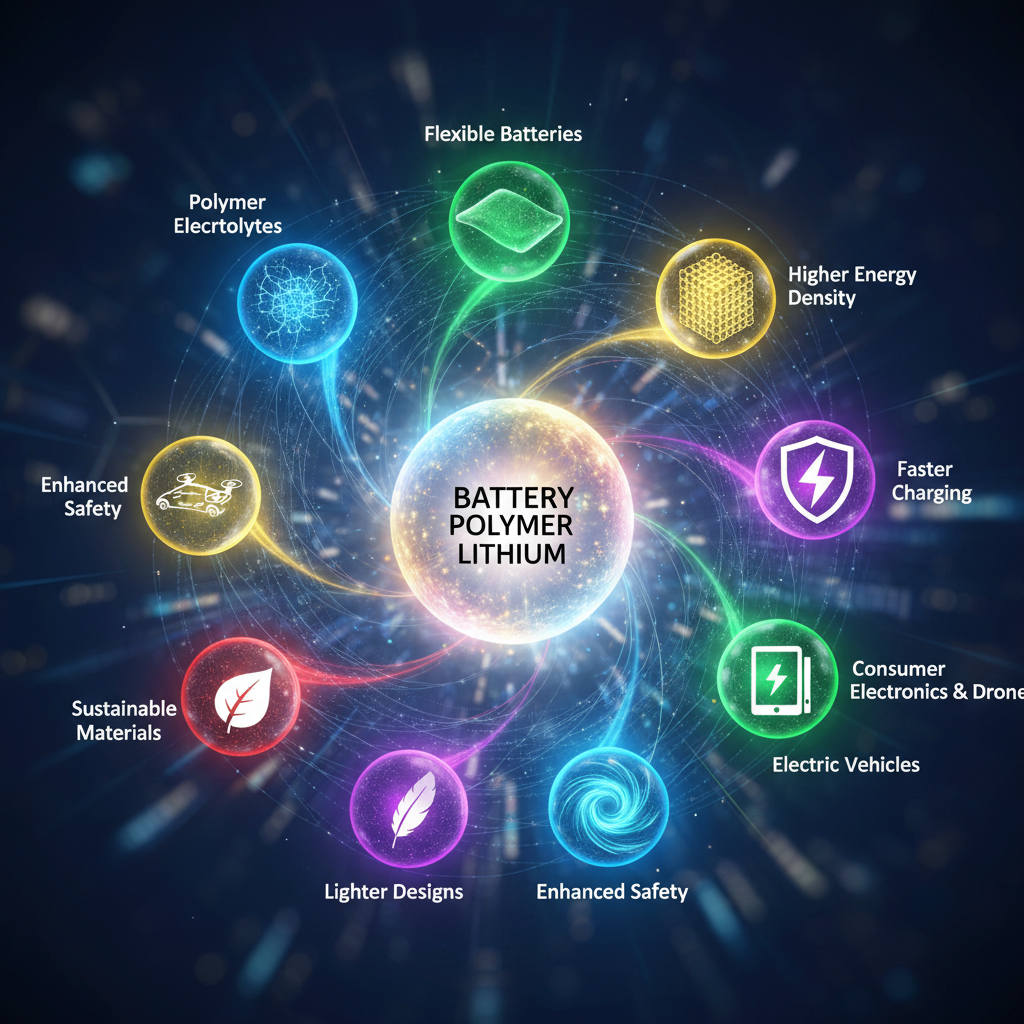
In this context, the innovations in Battery Polymer Lithium are particularly noteworthy. They encompass advancements in polymer electrolytes, which promise to offer safer, lighter, and more flexible battery options. These developments not only contribute to higher energy densities but also facilitate faster charging times, making them attractive for various applications, from consumer electronics to electric vehicles. This article will explore the top ten groundbreaking innovations in Battery Polymer Lithium, showcasing how they are paving the way for a more efficient and sustainable energy future. Each innovation represents a significant step forward, highlighting the transformative potential of polymer-based lithium batteries in reshaping our energy landscape.
The landscape of energy storage technology is being transformed by recent innovations in battery polymer lithium technologies. A notable development is the collaboration between a prominent energy company and a UK-based tech firm, focusing on creating environmentally friendly energy storage solutions for households. This partnership aims to enhance the sustainability of energy storage systems, appealing to an increasing demand for greener alternatives in the market.
In another exciting advancement, researchers have pioneered the use of upcycled solar glass waste in solid-state lithium batteries. This approach not only addresses waste management issues associated with solar panels but also contributes to the development of more efficient battery cathodes. Furthermore, innovations in polymer technology promise to reduce battery costs and improve recyclability, while the integration of polymer materials in next-generation batteries is blending the speed of supercapacitors with the endurance of traditional chemical batteries.
Together, these advancements are paving the way for more efficient, sustainable energy storage solutions, reflecting a significant evolution in the field.

The landscape of energy storage is rapidly evolving, with polymer electrolytes emerging as critical components in enhancing battery performance. Recent innovations in this field have improved ionic conductivity, thermal stability, and mechanical strength, making them suitable for next-generation lithium-ion batteries. According to a report by Research and Markets, the global polymer electrolyte market is projected to reach $430 million by 2027, reflecting a compound annual growth rate (CAGR) of 15% between 2020 and 2027. This growth is primarily driven by the demand for lightweight and efficient energy storage solutions in electric vehicles (EVs) and portable electronics.
One of the most significant advancements is the development of gel polymer electrolytes (GPEs), which combine the advantages of solid and liquid electrolytes. GPEs have shown promise in achieving higher electrochemical stability and improved safety by eliminating the risk of leakage associated with traditional liquid electrolytes. A study published in the Journal of Power Sources highlighted that GPEs can enhance battery capacity retention to over 90% after 500 charge-discharge cycles, compared to traditional liquid electrolyte-based batteries. These innovations in polymer electrolytes are not only transforming the efficiency of energy storage systems but also paving the way for safer and more sustainable power solutions in various applications.
The rapid advancements in conductive polymers are revolutionizing the field of lithium-ion batteries, significantly enhancing their performance and efficiency. Conductive polymers, known for their lightweight and flexible properties, are increasingly being integrated into battery components to promote better electron and ion conduction. This innovation not only facilitates quicker charging times but also improves the overall energy density of batteries, making them a viable option for a diverse range of applications from electric vehicles to renewable energy storage systems.
Recent research has focused on developing new conductive polymer composites that exhibit superior conductivity and thermal stability. These composites allow for greater ion transport while maintaining structural integrity under varying conditions. Furthermore, by optimizing the polymer formulations, scientists have been able to reduce the likelihood of battery degradation and prolong the lifespan of lithium-ion batteries. As these technologies continue to evolve, they pave the way for more sustainable and efficient energy storage solutions, aligning with global efforts to transition towards greener energy alternatives.
The energy storage landscape is rapidly evolving with innovations in battery technology, particularly in the areas of polymer lithium advancements compared to traditional lithium-ion batteries. Unlike conventional lithium-ion batteries that utilize liquid electrolytes, the new polymer all-solid-state battery systems promise greater safety, higher energy density, and the potential for miniaturization in applications such as wearables. Reports indicate that these solid-state technologies could unlock energy storage solutions that are compact, robust, and perfect for the next generation of smart devices.
A recent industry assessment suggests that solid-state lithium-sulfur batteries could offer a significant leap in energy density—up to 50% higher than current lithium-ion counterparts. This could revolutionize electric vehicle (EV) technology, allowing for longer ranges without increasing weight. Additionally, developments in flexible lithium batteries have shown remarkable resilience, with capabilities to withstand punctures and extreme bending, which could ultimately lead to safer, more versatile electronics.
Tips: When considering battery technology for new devices, focus on safety features and energy density improvements. Look for emerging solid-state solutions that could offer better performance and longevity. Staying updated on the latest research can provide a competitive edge in an increasingly demanding market.
The future of battery polymer lithium development presents both exciting opportunities and significant challenges as industries increasingly look for advanced energy storage solutions. With the drone battery system market projected to reach a staggering $11.64 billion by 2025 and forecasted to expand to $25.68 billion by 2033 at a compound annual growth rate (CAGR) of 10.4%, the demand for efficient and high-performance battery technologies is on the rise.
Innovations in battery polymer lithium are poised to transform the landscape of energy storage. These advancements focus on improving energy density, reducing weight, and enhancing safety features of lithium-based batteries. However, the industry faces obstacles such as regulatory hurdles, material supply chain disruptions, and the need for sustainable manufacturing practices. Addressing these challenges is essential for the successful integration of next-generation battery technologies across various applications, including electric vehicles and renewable energy storage systems. As developments continue, stakeholders must remain vigilant about the evolving regulatory environment and market dynamics that will shape the future of energy storage solutions.