The landscape of energy storage is evolving rapidly. The 100ah Lithium Battery has emerged as a key player in this shift. These batteries provide a powerful, reliable energy source for various applications, from electric vehicles to renewable energy systems.
In 2026, trends in lithium battery technology will redefine the industry. Advances in chemistry and design will enhance performance and longevity. However, challenges remain in recycling and sustainability. Not every innovation is flawless; some breakthroughs may not meet expectations. Ensuring safety and efficiency is critical as we adopt new technologies.
A deeper understanding of the 100ah Lithium Battery will illuminate its potential. Consumers and businesses must navigate these innovations wisely. Embracing the future requires a balance of enthusiasm and caution. As we look ahead, staying informed will be essential for making sound decisions.
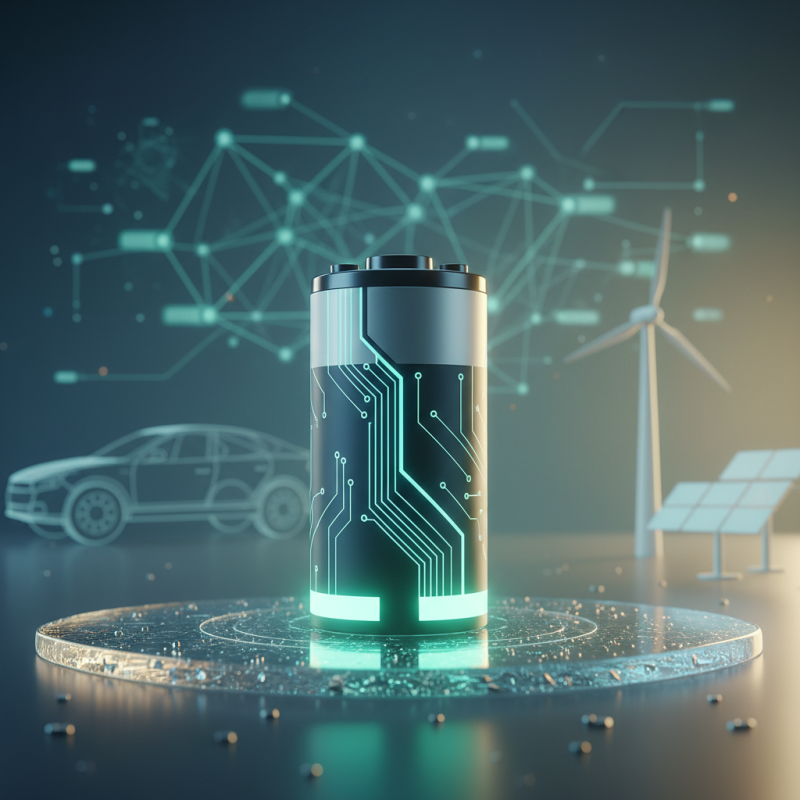
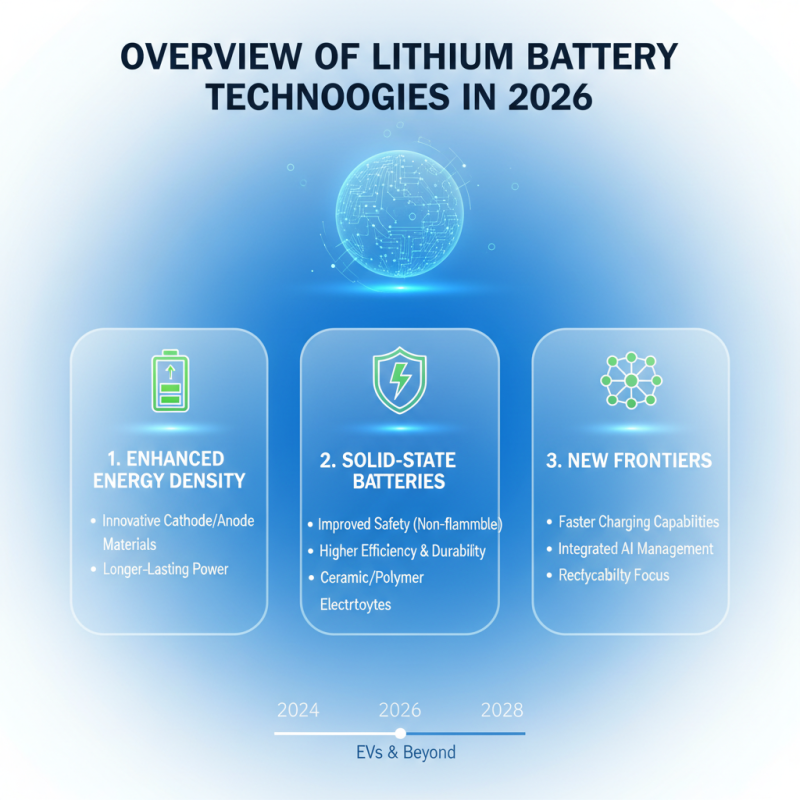
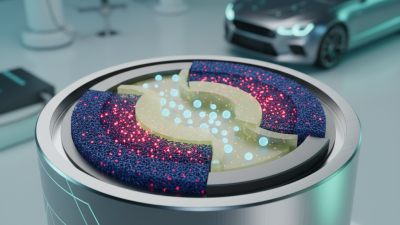
As we look toward 2026, lithium battery technologies are poised for significant advancements. Innovative materials will enhance energy density, leading to longer-lasting batteries. Solid-state batteries are becoming a focal point due to their safety and efficiency. These batteries minimize risks associated with conventional designs.
Research into eco-friendly materials is gaining momentum. The push for sustainability will drive the development of recyclable components. Companies may also explore bio-based materials, which could reduce environmental impact. Transitioning to these new materials presents challenges. Not all options will meet performance benchmarks. Developers must balance sustainability with efficiency.
Moreover, fast-charging technologies are maturing. They allow rapid energy replenishment with minimal degradation to battery life. This feature enhances consumer convenience but raises questions about long-term durability. Manufacturers need to find harmony between speed and longevity. Testing will be crucial to ensuring reliability under various conditions. As these trends unfold, quality control and user experience remain paramount.
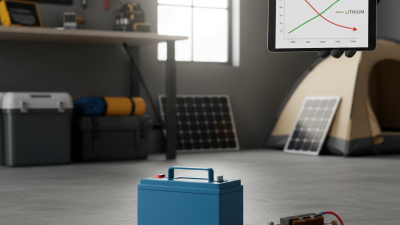
The 100Ah lithium battery technology is rapidly evolving. Recent advancements in design and manufacturing are noteworthy. One significant innovation is the use of advanced materials. These materials enhance performance and longevity. Improved anode and cathode designs also contribute to higher energy density. As a result, batteries can deliver more power while occupying less space.
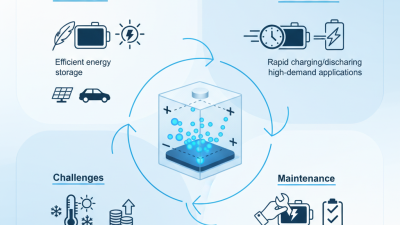
Battery management systems (BMS) are vital in modern designs. A sophisticated BMS ensures optimal charging and discharging cycles. This helps to extend the lifespan of the battery. Innovative thermal management solutions help prevent overheating. They maintain optimal operating temperatures during extensive usage.
**Tips:** When selecting a lithium battery, consider its cycle life and weight. These factors significantly impact efficiency. Regular testing is essential to ensure reliability. Monitoring the battery’s performance will help identify any issues early on.
Emerging materials are reshaping lithium battery performance in significant ways. Recent studies indicate that next-generation lithium batteries could achieve over 300 Wh/kg energy density by incorporating advanced materials. For instance, silicon-based anodes can enhance capacity while addressing the critical issue of cycle stability. Researchers noted that silicon allows for up to 10 times the capacity compared to traditional graphite.
However, challenges remain. The expansion and contraction of silicon during charging cycles can lead to structural integrity loss. This phenomenon affects longevity and efficiency. Some experts suggest combining silicon with other materials, such as graphene, to mitigate these issues. A report from the International Energy Agency highlights that innovative composites can potentially increase lifespan by 40%, although practical scalability of these materials is still under exploration.
Additionally, lithium-sulfur batteries are gaining attention due to their theoretical energy density of 500 Wh/kg. While promising, sulfur’s polysulfide dissolution leads to performance decay. A comprehensive study emphasizes that advancements in electrolyte formulations might be vital to improve the overall cycling performance. The field requires continuous innovation to combat these technical hurdles, focusing on resilience and efficiency.
Safety and lifecycle management for lithium batteries are crucial as technology advances. The industry faces challenges in ensuring battery safety. Thermal runaway remains a significant risk. Innovations in smart battery management systems help monitor temperature and charge levels. These systems can prompt immediate responses to overheating.
Lifecycle management is equally essential. Regular tracking can enhance battery health and performance. New techniques for recycling lithium batteries are emerging. Proper recycling can reduce environmental impact. However, the recycling process is often underdeveloped. There is a need for broader industry collaboration to improve efficiency.
Users must be aware of potential risks. Misuse of batteries can lead to catastrophic failures. Education on proper handling is often lacking. Regular audits and checks can mitigate some risks. As technologies evolve, ongoing improvements are necessary. Enhanced safety standards will play a pivotal role in future developments.
| Trend | Description | Safety Advancements | Lifecycle Management | Market Impact |
|---|---|---|---|---|
| Solid-State Batteries | Utilizes solid electrolytes for improved energy density and safety. | Reduced risk of leakage and fire. | Longer lifespan with minimal degradation. | Expected to dominate the premium market. |
| Battery Management Systems (BMS) | Advanced monitoring for optimal performance and safety. | Enhanced cell balancing and thermal management. | Improved charging cycles and reduced environmental impact. | Increased consumer trust and product reliability. |
| Recycling Technologies | Innovative methods to recycle battery components. | Minimized waste and hazardous materials. | Full lifecycle sustainability approaches. | Regulatory compliance and increased material recovery. |
| Rapid Charging Solutions | Technologies that reduce charging time significantly. | Safer high-speed charging protocols. | Prolonged battery health with fast charging routines. | Higher consumer adoption and potential market growth. |
| Smart Battery Technologies | Integration of IoT for real-time monitoring and data analytics. | Enhanced safety through predictive analytics. | Data-driven optimizations for extended usage. | New business models and improved user experience. |
The demand for 100Ah lithium batteries is growing rapidly. This surge is fueled by the expanding applications in electric vehicles and renewable energy storage. Users are seeking efficient solutions for sustainable power. As we look to 2026, several key trends will shape the market landscape.
Innovations in battery chemistry are crucial. Companies are experimenting with new materials that enhance energy density. This could lead to lighter batteries with extended life cycles. However, the challenge remains in balancing cost and performance. The industry must adapt to consumer needs while ensuring safety and reliability.
Tip: Always check for certifications when choosing a battery. This can prevent potential safety issues.
The rise of smart technology integration is noteworthy. Future 100Ah lithium batteries will likely come with built-in monitoring systems. These systems will enhance performance tracking and health monitoring. However, data security is a concern. Users should be aware of potential vulnerabilities that come with smart features.
Tip: Educate yourself about battery management systems. Understanding how they work can help you get the most out of your battery.
Overall, the future holds exciting possibilities, yet it also presents challenges to address. As we innovate, balancing performance, safety, and user experience will be key.