2026 Top Lithium Iron Phosphate Battery Manufacturers?
The 2026 market for Lithium Iron Phosphate Battery technology is becoming more competitive and specialized. Manufacturers are expanding production while improving safety, cycle life, charging performance, and traceability. This overview examines companies that demonstrate credible manufacturing capabilities, consistent product quality, and practical experience across energy storage, electric vehicles, commercial fleets, and backup power systems.
The evaluation considers more than factory size or shipment volume. It reviews cell chemistry control, electrode coating, battery management systems, thermal testing, quality assurance, and after-sales support. Certifications, published technical data, warranty terms, and independent test results also matter. A reliable manufacturer should explain usable capacity, operating temperature, charge limits, and expected cycle performance clearly. Small details matter, such as weld consistency, enclosure protection, and inspection records.
No ranking is permanently correct. Market conditions change quickly. Some companies publish limited information, making direct comparisons difficult. Others may perform strongly in one application but poorly in another. Therefore, this guide treats “top” as a practical judgment rather than an absolute label. Readers should verify current certifications, production locations, project references, and regional support before making a purchasing decision. Real projects often reveal weaknesses that brochures hide. A battery can look impressive on paper yet disappoint under heat, vibration, or frequent deep cycling. This article highlights leading manufacturers through an evidence-based lens, while acknowledging that independent verification remains essential. The goal is not to promote one supplier blindly, but to help buyers compare technical credibility, operational reliability, and long-term value with greater confidence.

What Are Lithium Iron Phosphate Batteries?
Lithium iron phosphate batteries, commonly called LFP batteries, use LiFePO4 as their cathode material. Their cells usually deliver about 3.2 volts nominally. A battery management system keeps each cell within safe voltage and temperature limits.
LFP chemistry is valued for strong thermal stability and a long service life. In practical installations, quality cells can support thousands of charge cycles when operated correctly. They also tolerate frequent partial charging better than many older chemistries. That matters for solar storage, electric vehicles, forklifts, and backup systems.
The battery feels steady, not dramatic.
Safety still depends on design. Cell spacing, cooling paths, busbars, and software protection all influence real performance. A poor enclosure can waste the advantages of good chemistry. Cold weather also reduces charging performance, so heaters may be necessary below freezing. This detail is easy to overlook.
LFP batteries usually contain less energy per kilogram than nickel-rich alternatives. They may therefore require more space or weight for the same range. That tradeoff can be acceptable in stationary storage, where size matters less than durability.
Buyers should examine cycle testing, capacity retention, warranty conditions, and factory quality controls. Marketing figures can look impressive. Independent verification is better.
No battery is perfect, and real results depend heavily on temperature, charging habits, and installation quality.
How Are the Top LFP Battery Manufacturers Evaluated?
A credible ranking of top lithium iron phosphate battery manufacturers must examine more than shipment volume. The International Energy Agency reported that LFP cells represented about 40% of the global electric vehicle battery market in 2023. This growth makes manufacturing discipline increasingly important. Evaluators should inspect cell consistency, production yield, energy density, thermal stability, and documented cycle-life testing. A low price alone proves little.
Independent laboratories should verify safety under overcharge, crush, vibration, and high-temperature conditions. Testing aligned with recognized standards, such as UL 1973 and IEC 62619, strengthens reliability. The 2024 BloombergNEF Battery Price Survey placed the average battery-pack price at 115 dollars per kilowatt-hour. LFP packs were cheaper than nickel-based alternatives, but cost comparisons can hide differences in warranty coverage, usable capacity, and cooling design. Numbers need context.
Supply-chain evidence also matters. Manufacturers should disclose cathode sourcing, factory quality controls, batch traceability, and recycling pathways. The International Energy Agency’s Global Critical Minerals Outlook 2024 warns that battery supply chains remain geographically concentrated. That concentration creates resilience risks. Factory visits and audited records are more convincing than polished brochures. Still, no scorecard is perfect. Cycle-life claims may use gentle laboratory conditions, unlike a vehicle operating in winter, heat, dust, and frequent fast charging. A serious evaluation therefore combines published data, field performance, third-party testing, and customer-service records. Some judgment remains unavoidable.
Who Are the Leading LFP Battery Manufacturers in 2026?
Who Are the Leading LFP Battery Manufacturers in 2026?
The leading LFP battery manufacturers in 2026 are not defined by factory size alone. Strong suppliers combine cell chemistry expertise, automated production, and verified safety testing. They typically serve electric vehicles, energy storage systems, commercial fleets, and backup power markets. Their factories use strict moisture control, traceable materials, and digital quality checks. A rejected cell should be traceable to one production line and one testing stage. That detail matters.
Market leadership remains difficult to measure. Some manufacturers report impressive planned capacity, but announced factories may not yet produce cells. The most reliable evaluation includes operating capacity, independent certifications, warranty terms, and field performance. Buyers should also examine cycle-life data at realistic temperatures, not only laboratory conditions. LFP chemistry is stable, but poor pack design can still reduce usable energy. I have seen specifications look excellent until installation conditions changed.
Tips: Ask for production-site evidence, not only brochures. Compare usable capacity, thermal management, degradation limits, and after-sales response times. Check whether the supplier can provide batch records and safety test reports. Local service capability may matter more than a slightly lower price. Also, question unusually long cycle-life claims; testing methods can differ greatly. A careful review often reveals that the “leading” manufacturer depends on the project’s location, voltage requirements, delivery schedule, and risk tolerance.
2026 Top Lithium Iron Phosphate Battery Manufacturers? — Who Are the Leading LFP Battery Manufacturers in 2026?
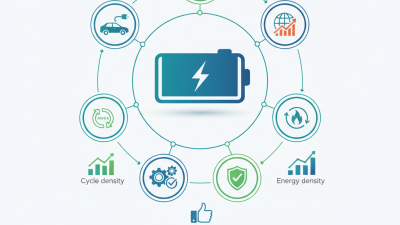
LFP batteries expanded from a niche chemistry to approximately half of global electric-vehicle battery demand by 2024. This market trend is an important indicator when evaluating LFP manufacturers for 2026, although the chart does not rank individual companies or brands. Figures are rounded estimates based on public International Energy Agency market reports.
How Do These Manufacturers Compare by Technology and Scale?
In 2026, leading lithium iron phosphate battery manufacturers differ less in chemistry than in execution. Most use LFP cells for strong thermal stability, long cycle life, and lower material costs. Their real differences appear in cell design, production control, and system integration.
Large producers often manufacture cathode materials, cells, modules, and battery packs within one supply chain. This can reduce delays and improve quality tracing. Some facilities exceed tens of gigawatt-hours annually, while smaller specialists focus on custom packs for buses, energy storage, or industrial equipment. Scale matters, but it can also create less flexibility.
Technology shows sharper contrasts. Prismatic cells offer efficient packing and fewer connections. Cylindrical formats can support automated production and easier thermal control. Cell-to-pack designs remove module hardware, increasing usable space but raising repair complexity. Advanced battery management systems monitor voltage, temperature, and aging more precisely. Important details.
Factory experience remains difficult to measure from brochures. Buyers should inspect yield data, warranty terms, independent safety testing, and field performance across different climates. A manufacturer may report impressive cycle numbers under gentle laboratory conditions. Real fleets face heat, vibration, fast charging, and uneven loads. Results may change.
Manufacturers with strong vertical integration usually control consistency better, yet scale does not guarantee better engineering. Smaller producers may respond faster to unusual voltage, enclosure, or communication requirements. Their weaker point can be service coverage and long-term replacement planning. Comparing technology and scale requires examining both the battery cell and the people supporting it.
What Should Buyers Consider Before Choosing an LFP Battery Manufacturer?
Choosing an LFP battery manufacturer requires more than comparing quoted prices. Buyers should inspect cell traceability, production records, and test procedures. Ask where cells are made, how batches are identified, and how defects are isolated. A reliable supplier can show capacity reports, cycle-life data, thermal testing, and safety documentation. Request samples from the same production line, not laboratory stock. This small detail often changes the decision.
Match the battery to the real duty cycle. A warehouse vehicle may need frequent charging, while a remote solar system may face heat, dust, and long idle periods. Confirm usable capacity, continuous power, peak current, charging limits, and low-temperature behavior. Check the battery management system in practical conditions. Can it record alarms? Can technicians update firmware securely? Ask for enclosure ratings and installation guidance. Numbers without test conditions are weak evidence.
Experience matters during commissioning and service. Ask for references from similar projects, response times, spare-part policies, and warranty exclusions. A trustworthy manufacturer explains degradation assumptions instead of promising perfect performance. Review how they handle a failed module, shipping damage, or unusual voltage readings. Be careful with unusually low bids. They may omit testing, integration work, or after-sales support. I would document every question and compare written answers. My own mistake was trusting polished presentations too quickly. Factory visits help, but one visit cannot prove long-term quality. Independent inspection remains worth considering before a large order.