留下你的信息

2026 Top 36 Volt Lithium Battery for Electric Bike?

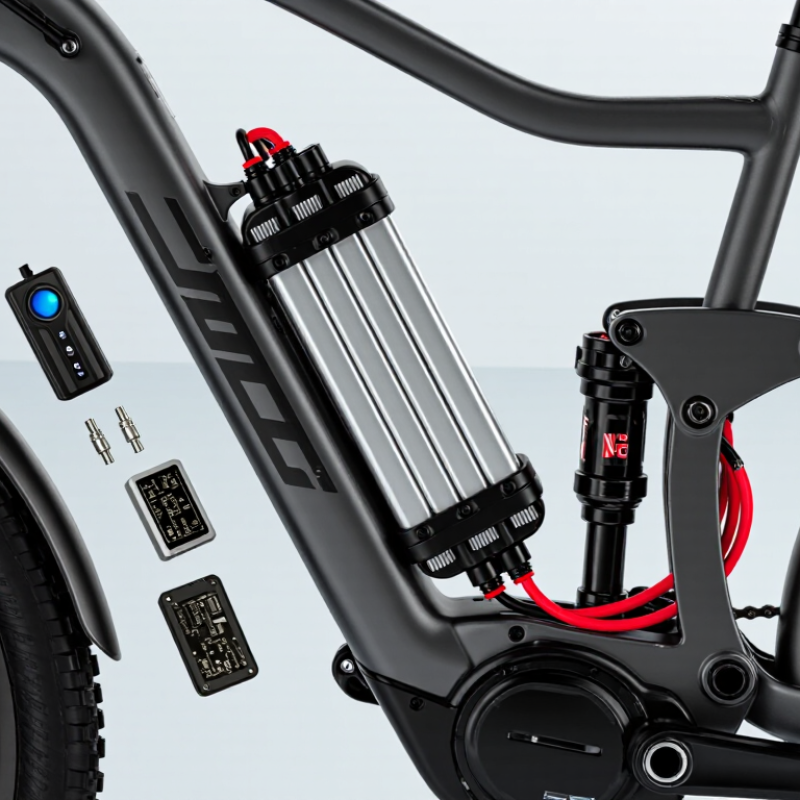
Choosing the 2026 Top 36 Volt Lithium Battery for Electric Bike requires more than chasing the highest capacity.

A reliable 36 Volt Lithium Battery For Electric Bike should match the motor, controller, frame space, and riding conditions. Voltage compatibility comes first. Capacity follows closely. A 10Ah pack may suit short city trips, while a 20Ah option can support longer commuting. However, real range depends on rider weight, hills, tire pressure, temperature, and assist level.

Small details matter.

A practical evaluation should inspect the battery management system, cell quality, charger protection, connector design, mounting stability, and weather resistance. Look for clear specifications, traceable testing, and responsive warranty support. During hands-on checks, observe heat near the terminals, charging behavior, case movement, and voltage consistency after repeated rides. These details often reveal more than polished product photographs.

Battery researcher Professor Martin Winter has described the battery as “the heart of the electric vehicle.” His point applies to electric bicycles as well. The battery affects acceleration, climbing confidence, charging time, and long-term ownership costs. Still, no single battery fits every rider. A larger pack adds weight. A cheaper pack may hide weaker cells or limited support. That is where this guide remains cautious. Published range figures can look impressive, yet they may come from ideal laboratory conditions. We will compare leading 36-volt options using practical criteria, not marketing claims alone. Readers should verify connector type and charger voltage before buying. One overlooked detail can stop an otherwise excellent bike.
2026 Top 36 Volt Lithium Battery for Electric Bike?

What Is a 36-Volt Lithium Battery for an Electric Bike?

A 36-volt lithium battery is a rechargeable power source designed for many electric bicycles. Its “36 volts” describes the battery’s nominal voltage, not its constant output. A typical lithium-ion pack reaches about 42 volts when fully charged and gradually drops during use. The battery supplies energy to the motor through the controller, while a built-in battery management system helps monitor voltage, temperature, and cell balance.

Capacity matters as much as voltage. A 36V 10Ah battery stores roughly 360 watt-hours, calculated by multiplying volts by amp-hours. Real riding range can vary widely. Hills, rider weight, tire pressure, wind, temperature, and throttle use all affect consumption. From practical riding, a battery may feel strong on flat roads but noticeably weaker during repeated climbs. That difference is easy to underestimate.

Tips: Match the battery with the bicycle’s controller, motor, charger, connector, and mounting space. Never assume every 36V battery fits every electric bike. Check the charger’s output, preferably around 42V for a standard 36V lithium pack. Look for clear capacity ratings, a reliable protection system, secure wiring, and basic safety documentation. Inspect the casing for swelling, cracks, loose terminals, or unusual heat. Stop using damaged equipment. One imperfect detail deserves attention: advertised range is often optimistic, especially in cold weather or heavy traffic. Conservative estimates are usually more useful.

How to Match Battery Capacity With Motor Power and Riding Range

2026 Top 36 Volt Lithium Battery for Electric Bike?

How to Match Battery Capacity With Motor Power and Riding Range

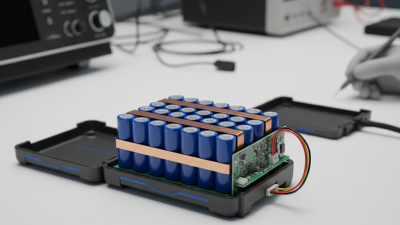
A 36-volt battery suits many urban electric bikes with 250 to 500-watt motors. Match voltage first. Then compare capacity, measured in amp-hours (Ah). A 36V 10Ah battery stores about 360 watt-hours. A 36V 15Ah battery stores roughly 540 watt-hours. More energy usually means longer rides, but it also adds weight and cost.

Check the motor’s continuous power and the controller’s current limit. A 500-watt motor may drain a small battery quickly during hill climbing. For flat commuting, 10Ah can often support moderate daily trips.

Riders facing steep roads, heavy loads, or frequent stop-start traffic may prefer 13Ah to 17Ah. Do not judge range from capacity alone. Tire pressure matters. So does wind.

A practical estimate uses watt-hours divided by average consumption. If your bike uses 15Wh per mile, a 360Wh battery may provide about 24 miles under favorable conditions. Real distance can drop sharply in cold weather or on hills. I have found that range claims often feel optimistic after repeated climbs. That is worth remembering.

Choose a battery with a suitable battery management system, secure mounting, and a compatible charger. Confirm connector type and installation space before buying. A larger battery is not automatically better. It may shift the bike’s balance and make carrying it upstairs unpleasant. Test your usual route when possible, then leave some capacity for unexpected detours.

Which 36-Volt Lithium Battery Types Are Best for E-Bikes in 2026?

For most e-bikes in 2026, a 36-volt lithium-ion battery with an NMC chemistry remains the practical choice. It offers strong energy density, moderate weight, and enough power for commuting or gentle hills. A typical pack uses ten cells in series, reaching about 42 volts when fully charged. Match that voltage exactly with the motor controller and charger.

LiFePO4 batteries deserve attention when safety, long service life, and frequent charging matter most. They usually weigh more and occupy more space, but their chemistry handles heat and repeated cycles well. For cargo bikes or daily utility riding, that trade-off can be sensible. Lithium-titanate cells charge quickly and tolerate heavy cycling, yet their higher cost and lower energy density limit their appeal. They are useful in specialized applications, not every bicycle.

Check the battery management system, continuous discharge rating, enclosure fit, connector type, and water resistance before buying. A 10Ah pack may suit short urban trips, while 15Ah or more can reduce charging frequency. Do not judge capacity by voltage alone. Cheap cells can disappoint.

Safety comes first.

Use a charger designed for the battery’s chemistry and voltage. Look for documented cell specifications and recognized electrical safety testing, such as UL 2271 where applicable. I would not call one chemistry universally best. Riding distance, hill load, storage conditions, and frame space change the answer. Many buyers overlook weight until the battery is removed from the bike. That mistake is easy to make.

2026 Top 36 Volt Lithium Battery for Electric Bike? - Which 36-Volt Lithium Battery Types Are Best for E-Bikes in 2026?

Battery Type Typical 36V Configuration Nominal / Full-Charge Voltage Typical Energy Range Typical Cycle Life Energy Density Safety and Thermal Stability Weight Compared with NMC Cold-Weather Performance Best E-Bike Application Overall Assessment for 2026
Nickel Manganese Cobalt Oxide (NMC) 10 cells in series (10S); commonly available in 8–20 Ah packs 36 V nominal
42.0 V maximum charge
288–720 Wh
Based on 36 V × 8–20 Ah
Approximately 500–1,000 full cycles, depending on temperature, charge rate, and depth of discharge High; commonly about 150–250 Wh/kg at cell level Good when manufactured, protected, and charged correctly; requires a suitable battery-management system and physical protection Reference weight Capacity and power output decrease in low temperatures; avoid charging a frozen battery Commuting, folding bikes, cargo bikes, and long-range e-bikes where low weight is important Best all-round choice
Offers the strongest balance of size, weight, power, availability, and range for most 36V e-bikes.
Lithium Iron Phosphate (LFP) Usually 12 cells in series for a 38.4V nominal pack; 12S charging reaches 43.8V 38.4 V nominal
43.8 V maximum charge for a typical 12S pack
Approximately 384–768 Wh
Based on 38.4 V × 10–20 Ah
Approximately 2,000–4,000 full cycles under moderate operating conditions Lower than NMC; commonly about 90–160 Wh/kg at cell level Very good thermal stability and a lower risk of thermal runaway than many nickel-rich chemistries Usually 20–50% heavier for similar usable energy Power and charging performance are reduced below freezing; low-temperature charging requires protection or heating Daily utility bikes, cargo bikes, fleet use, and riders prioritizing service life and safety over minimum weight Best for longevity and safety
Confirm controller and charger compatibility because a conventional 36V NMC charger may not be suitable.
Nickel Cobalt Aluminum Oxide (NCA) 10S configuration; less common in general-purpose e-bike packs 36 V nominal
42.0 V maximum charge
Approximately 360–720 Wh
Based on 10–20 Ah
Approximately 500–1,000 full cycles, depending on cell quality and operating conditions High; often comparable to or higher than conventional NMC cells Requires careful thermal management, a reliable BMS, and conservative charging practices Reference to slightly lighter than comparable NMC designs Reduced range and power are expected in cold conditions Performance-focused e-bikes where high energy density is more important than maximum cycle life High-performance option
Useful when compact packaging is important, but it provides less practical benefit than NMC for many riders.
Lithium Titanate (LTO) Typically 15 cells in series; LTO cells have a lower nominal voltage per cell Approximately 36 V nominal
42.0 V maximum charge for a typical 15S pack
Approximately 180–540 Wh
Based on 5–15 Ah
Approximately 5,000–15,000 full cycles Very low; generally much lower than NMC and LFP Excellent thermal stability and strong tolerance for high charge and discharge rates Often 2–3 times heavier for similar energy Better low-temperature charging and power performance than most common lithium-ion chemistries, subject to manufacturer limits Heavy-duty fleets, extreme-use bikes, and applications requiring very rapid charging and exceptional service life Specialized choice
Technically durable but usually too heavy, large, and expensive for a standard personal e-bike.
Lithium Manganese Oxide (LMO) 10S configuration; often blended with NMC rather than used alone 36 V nominal
42.0 V maximum charge
Approximately 288–576 Wh
Based on 8–16 Ah
Approximately 500–1,000 full cycles Moderate; generally below high-energy NMC Good thermal behavior and strong power delivery, although pack design remains critical Similar to or slightly heavier than comparable NMC packs Lower range and available power in cold conditions Power-oriented bikes and battery blends designed for higher discharge rates Good power option
Less common as a standalone chemistry, but useful when acceleration and discharge capability are priorities.
NMC–LMO Blend 10S configuration; commonly designed around the 36V/42V e-bike voltage standard 36 V nominal
42.0 V maximum charge
Approximately 360–720 Wh
Based on 10–20 Ah
Approximately 600–1,200 full cycles Moderate to high Can combine good power delivery with balanced thermal performance; the BMS and cell matching remain essential Usually close to standard NMC Performance decreases in cold weather; charging below freezing should be prevented unless the pack supports it Urban e-bikes, sport riding, and bikes requiring responsive acceleration Strong balanced alternative
Can provide a useful compromise between energy density, power output, and operating durability.

Notes: Values are typical engineering ranges rather than guarantees. Actual range and service life depend on battery capacity, rider and cargo weight, terrain, assistance level, tire pressure, temperature, charging habits, cell matching, and battery-management-system settings. A 36V e-bike using a conventional 10S lithium-ion battery normally requires a charger with a 42.0V output; always verify the battery, charger, controller, connector, and BMS specifications before replacement.

How to Compare Safety, Charging Speed, Lifespan, and Warranty

A 36-volt lithium battery should be compared beyond capacity and price. Safety begins with a reliable battery management system. It should limit overcharging, deep discharge, excessive current, and abnormal temperature. Check the casing, connector quality, wiring protection, and mounting stability. A loose battery can suffer damaging vibration on rough roads. Look for test documentation from recognized laboratories, not only impressive wording on a product page.

Charging speed depends on both battery capacity and charger output. A 10Ah battery charged at 2A may need about five hours under ideal conditions. A 4A charger can reduce that time, but faster is not automatically better. Extra heat may increase stress on cells. Measure the charger’s voltage, inspect its plug, and follow the stated charging temperature range. Never charge a swollen, cracked, or unusually hot battery. Small details matter.

Lifespan is better judged by cycle ratings, temperature guidance, and real warranty terms. A battery used gently and stored near half charge may last longer than one repeatedly drained completely. Storage in a hot garage can quietly shorten its service life. Warranty comparison needs careful reading: coverage period, remaining capacity requirement, repair process, shipping responsibility, and exclusions. A two-year promise may sound strong, yet prorated coverage can be limited. My checklist is useful, but not perfect; independent test data and clear service records deserve more trust than polished claims.

What Should You Check Before Buying a 36-Volt E-Bike Battery?

Before buying a 36-volt e-bike battery, confirm what “36 volts” actually means. It usually describes nominal voltage, while a fully charged pack can reach about 42 volts. Your motor and controller must support this range. A mismatch may reduce performance or damage electrical components.

Check capacity in amp-hours, then compare watt-hours for a clearer estimate. A 10 Ah battery stores roughly 360 Wh at nominal voltage. Rider weight, hills, temperature, tire pressure, and assist level can change the real distance. Claims based only on flat-road testing deserve caution. Measure twice. That mistake is expensive.

Inspect the battery management system, or BMS. It should provide overcharge, over-discharge, short-circuit, and temperature protection. Confirm the continuous discharge current matches the controller’s needs, not just its brief peak rating. Check the case dimensions, rail position, connector shape, locking method, and cable length before ordering. A battery can have excellent cells and still fail to fit.

Use only the specified charger, preferably with clear electrical ratings and safety documentation. Look for balanced cell construction, a traceable production date, and a written warranty. Avoid packs with loose housings, swollen sections, damaged terminals, or vague capacity claims. Water resistance is not the same as waterproofing. I would also leave room for uncertainty: advertised cycle life depends heavily on charging habits and storage temperature, so treat it as an estimate rather than a promise.